
-

 Sold out
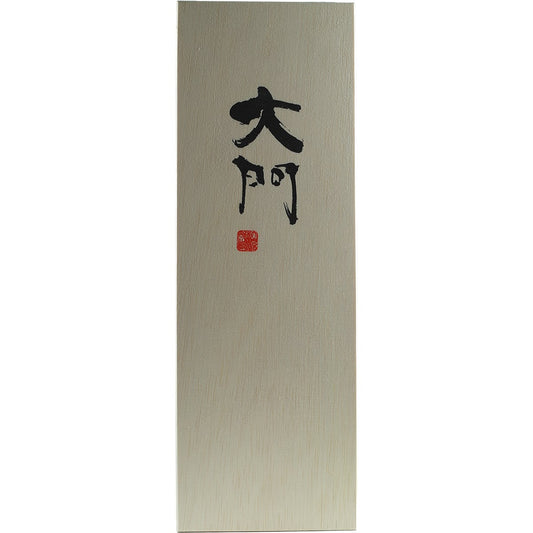
Daimon Toji Series Edition II
Regular price 121,50 €Regular priceUnit price per Unit price 168,75 € per L -

 Sold out
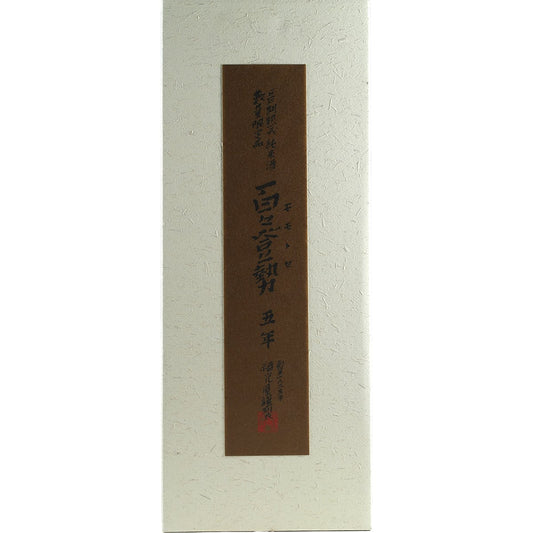
Momotose 5 Years Aged Sake 720ml
Regular price 54,50 €Regular priceUnit price per Unit price 75,69 € per L -
 Sold out
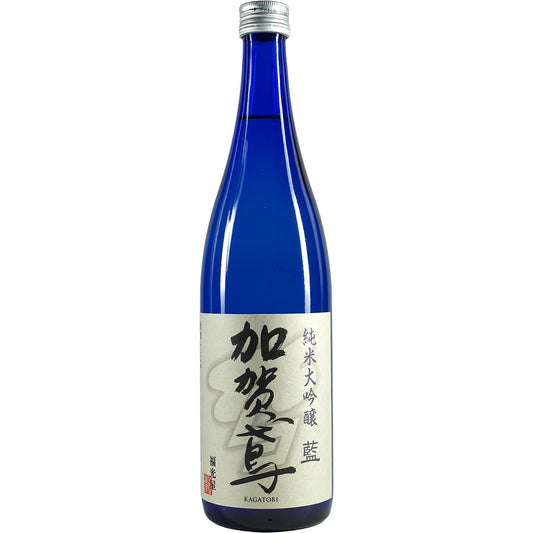
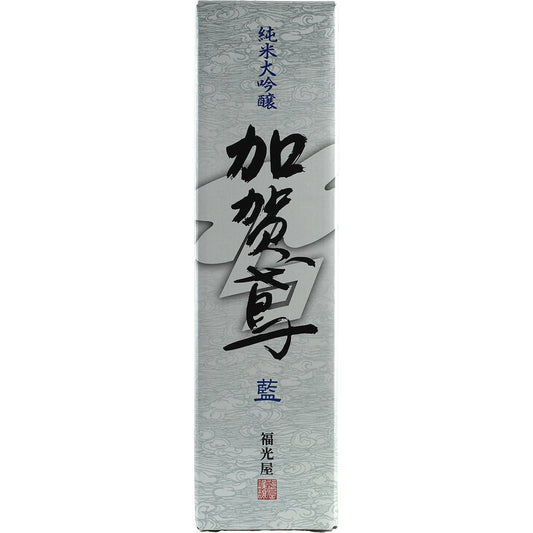
Kagatobi Ai Junmai Daiginjo 720ml
Regular price 21,20 €Regular priceUnit price per Unit price 29,44 € per L26,50 €Sale price 21,20 €Sold out -
 Sold out
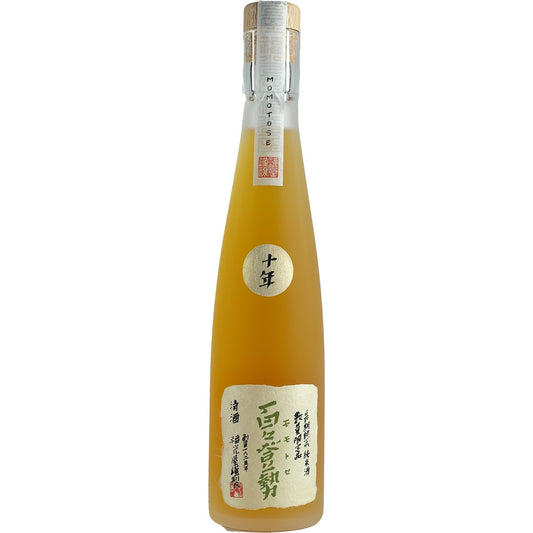
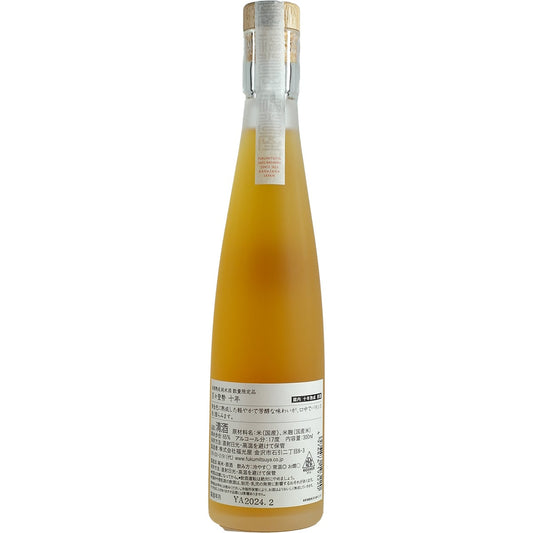
Momotose 10 Years Aged Sake 300ml
Regular price 47,50 €Regular priceUnit price per Unit price 158,33 € per L -
Izumibashi Kimoto Black Dragonfly 1800ml
Regular price 45,00 €Regular priceUnit price per Unit price 25,00 € per L -
 Sold out
Afuri "Terra-O"
Regular price 25,50 €Regular priceUnit price per Unit price 35,42 € per L -
Hananomai Homare Fuji Junmai Ginjo 180ml Cup
Regular price 4,00 €Regular priceUnit price per Unit price 22,22 € per L -
Asahi Shuzo Dassai 23 Junmai Daiginjo 1800ml
Regular price 137,00 €Regular priceUnit price per Unit price 76,11 € per L -
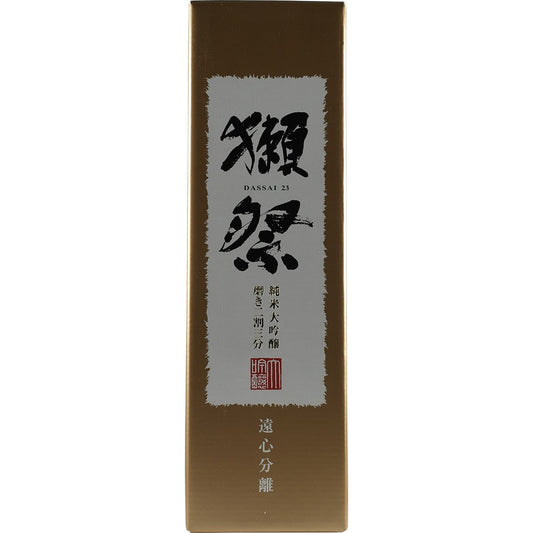
Asahi Shuzo Dassai Junmai Daiginjo 23 Centrifugal Separation 720ml
Regular price 149,00 €Regular priceUnit price per Unit price 206,94 € per L -
 Sold out
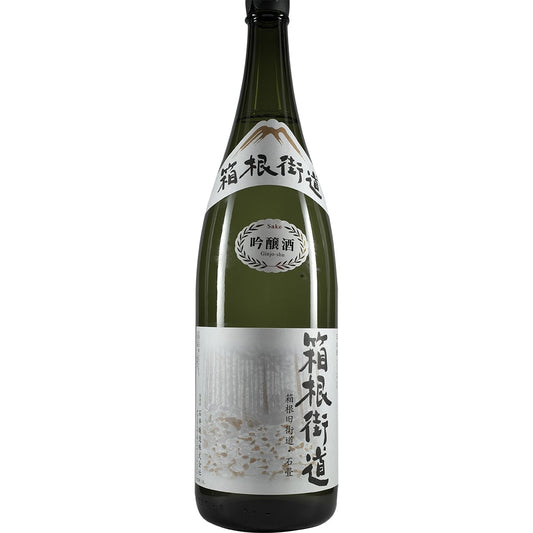
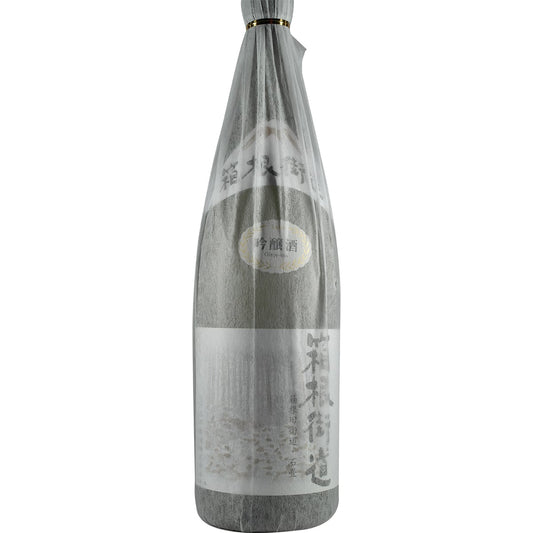
Ishii Jozo Hakone Kaido Ginjo 1800ml
Regular price 38,00 €Regular priceUnit price per Unit price 21,11 € per L -
Hananomai Homare Fuji Junmai Ginjo 720ml
Regular price 14,50 €Regular priceUnit price per Unit price 20,14 € per L -
 Sold out
Obata Manotsuru Junmai Tsuru
Regular price 14,50 €Regular priceUnit price per Unit price 20,14 € per L -
 Sold out
Obata Manotsuru Live with Toki
Regular price 20,00 €Regular priceUnit price per Unit price 27,78 € per L -
 Sold out
Obata Kanadel Spiritoso Kijoshu
Regular price 27,50 €Regular priceUnit price per Unit price 38,19 € per L27,50 €Sale price 27,50 €Sold out -
Daimon Rikyubai Shizuka Junmai Ginjo 720ml
Regular price 20,00 €Regular priceUnit price per Unit price 27,78 € per L -
 Sold out
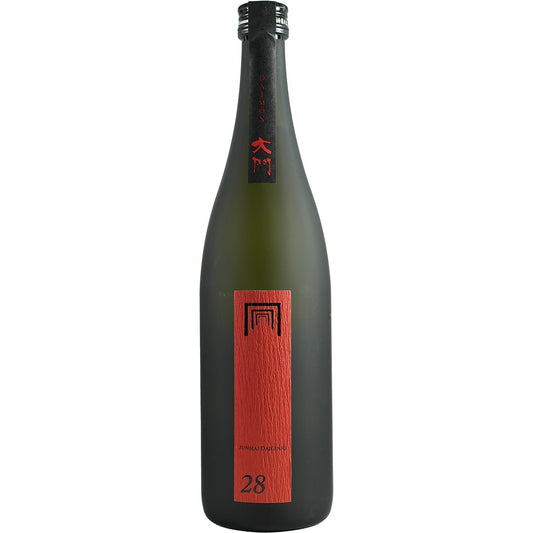
Daimon 28 Junmai Daiginjo
Regular price 76,00 €Regular priceUnit price per Unit price 105,56 € per L




sake
A landscape of rice, koji, and time
In the fermentation tank, the work of koji and yeast interlock directly. Steamed rice provides starch that yeast alone cannot utilize. Koji – rice cultivated with Aspergillus oryzae – provides enzymes that continuously break this down into sugar. Meanwhile, the yeast is already converting this sugar into alcohol. Saccharification and fermentation take place in parallel, over weeks and in the same tank. During the production of the koji, brewers control temperature, humidity, and its development. Its enzymes also act on proteins; amino acids, acids, and other compounds later help define taste and texture.
Sake is diverse in terms of taste. Some bottlings seem light, fragrant, and delicate, others dry, full-bodied, or carried by robust umami. Furthermore, aromas do not always appear to the nose first: much can only be perceived retronasally when drinking. Bitterness and astringency are also part of the possible spectrum and can give contour to the finish. Sake is neither rice wine nor rice beer, but follows its own brewing logic. The spectrum extends far beyond a single supposedly typical profile.
From silky fruit to spicy depth
For an initial overview, real bottles offer better reference points than abstract categories. The Daimon Minus-1 Junmai Daiginjo Pink combines floral and fruity aromas with a velvety texture. The Obata Manotsuru MIKU points even more strongly to its origin: its rice grows exclusively on Sado Island; it is described as having a slight sweetness and mineral notes. The Hananomai Katana Junmai Ginjo provides a striking contrast with a very dry, voluminous taste.
Afuri Ohana shows a more idiosyncratic side. The unpolished, unfiltered Junmai Ginjo is produced using the Kimoto method and features robust umami, spicy and earthy notes, and a long, dry finish. Afuri Dewasanan Junmai Ginjo, on the other hand, moves between ripe stone fruit, honeydew melon, and a hint of caramel; natural sweetness and moderate acidity keep its full body in balance. Standing for a fine effervescence is Mizubasho Pure from Gunma, a Sparkling Sake from Nagai Shuzo produced using traditional bottle fermentation.
Temperature changes the perspective
Sake can be drunk chilled, at room temperature, or warmed. Ginjo and Daiginjo are often served cool, while fuller Junmai and Honjozo styles can also be harmonious warm; the individual bottling is the deciding factor. When warmed, aromas can emerge that remain hidden at cool temperatures. The robust Honjozo 1800ml is explicitly described for room temperature and warm enjoyment. Yamamoto Honke Shinsei Junmai Daiginjo, full and sweet in taste, also allows for both variations. Thus, serving temperature becomes a second level of orientation: the same bottle can reveal different facets of its scent and taste depending on the temperature.