
-
Koshi no Kanbai “Tokusen”
Regular price 29,00 €Regular priceUnit price per Unit price 58,00 € per L -
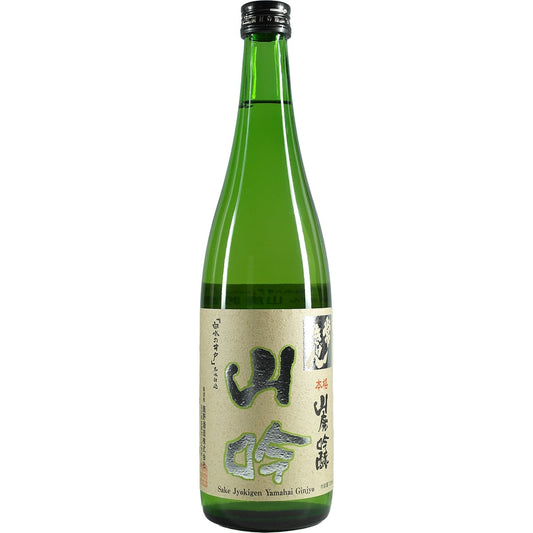
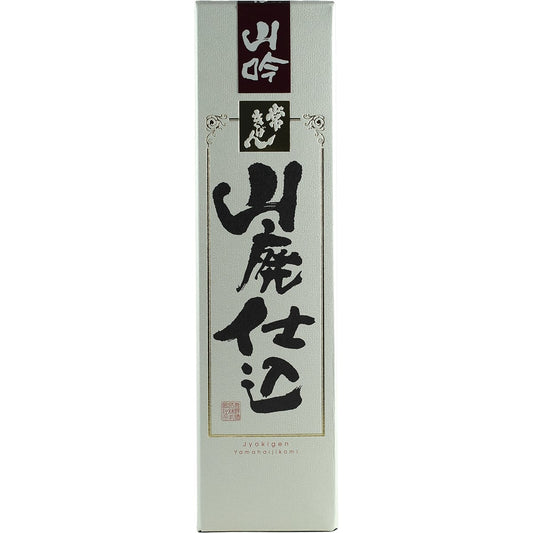
Jokigen Yamahai Ginjo
Regular price 21,50 €Regular priceUnit price per Unit price 29,86 € per L -
Afuri "Twelve Years of Rain"
Regular price 31,50 €Regular priceUnit price per Unit price 43,75 € per L -
Yamamoto Honke Shinsei Ginjo
Regular price 15,50 €Regular priceUnit price per Unit price 21,53 € per L -
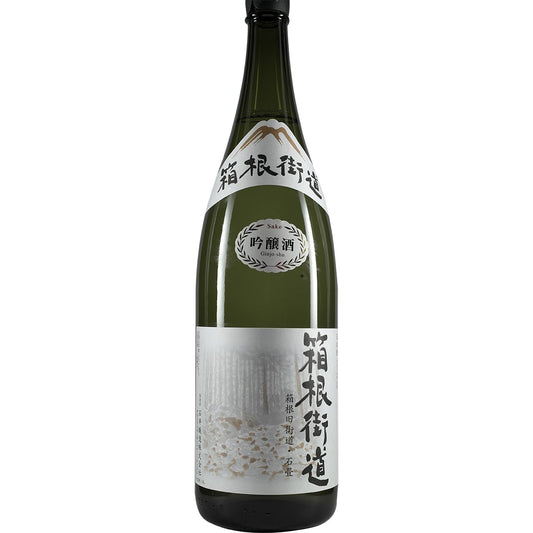
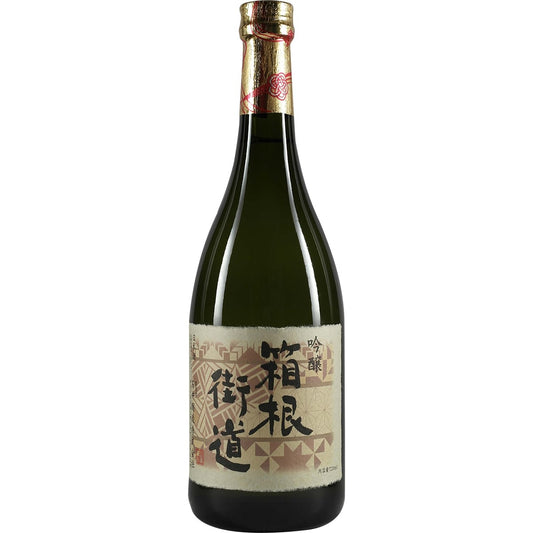
Ishii Jozo Hakone Kaido Ginjo 720ml
Regular price 22,50 €Regular priceUnit price per Unit price 31,25 € per L -

 Sold out
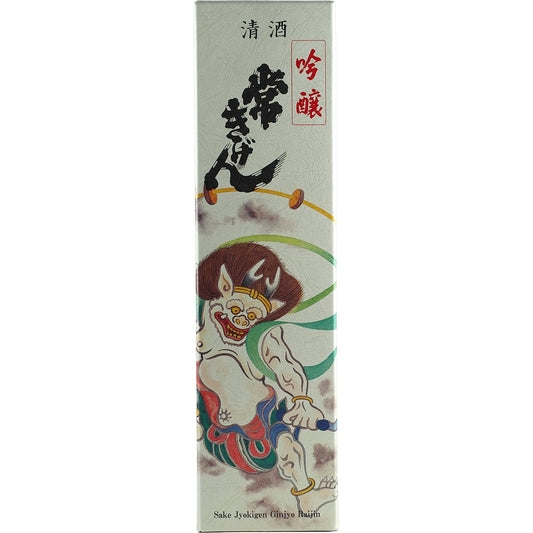
Jokigen Ginjo Raijin
Regular price 19,00 €Regular priceUnit price per Unit price 26,39 € per L -
 Sold out
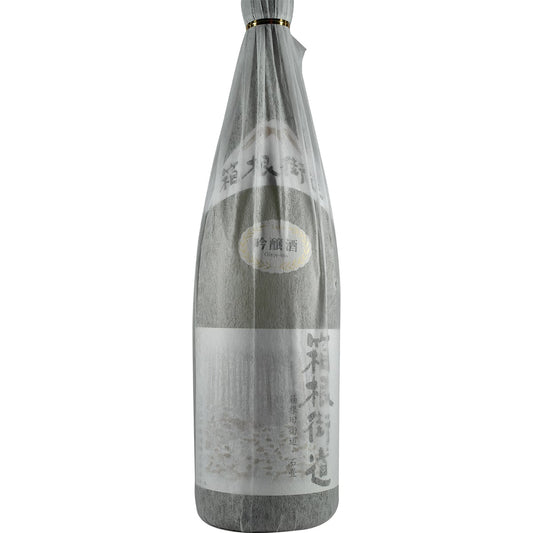
Ishii Jozo Hakone Kaido Ginjo 1800ml
Regular price 38,00 €Regular priceUnit price per Unit price 21,11 € per L




Ginjo
Ginjo: Care that shows in the scent
With Ginjo, character begins long before the first sip. The rice is polished until at most 60 percent of the original grain remains. Outer layers, where fats and proteins are concentrated, are thereby reduced. This is followed by Ginjo-zukuri: a particularly meticulous brewing method, the exact execution of which varies from brewery to brewery. This often involves slow fermentation at very low temperatures, which allows aromatic elements to emerge.
Rice can thus develop an astonishingly complex scent. There is a term for this characteristic aroma: Ginjo-ka. The documented spectrum ranges from apple, melon, pear, and banana to citrus fruit, lychee, or pineapple; alongside these, floral, spicy, and ester-like notes can appear. Sometimes a fruit note is clearly in the foreground, sometimes several impressions combine. Beneath the scent often lie quieter, rice-related aromas. It is precisely this interplay that makes Ginjo interesting: the technical precision creates room for fine scents without fixing the taste to a single profile.
From fragrant to savory
In the world of Ginjo, two stylistic poles are described. Kaori Ginjo places greater focus on the scent, Aji Ginjo on finesse of taste. In addition, there is the distinction between Junmai Ginjo made from rice, rice koji, yeast, and water, and Ginjo with added brewer's alcohol. The latter can highlight aromatic elements and support a lighter structure; the pure rice variant is more associated with depth and a soft, rich rice flavor. These are guidelines within a broad family of styles, shaped by specific decisions made during brewing.
Three distinct directions show just how differently these decisions manifest in the bottle. Koshi no Kanbai "Tokusen" combines a clear, pure taste with subtle fruity and floral notes; its soft, harmonious nature is close to the fine, scent-driven side. Yamamoto Honke Shinsei Ginjo sets a different accent with a round, slightly sweet taste. In the case of Jokigen Yamahai Ginjo, on the other hand, the Yamahai method leads to more complexity and savory umami.
Storage can also shift the picture. Afuri "Twelve Years of Rain" is brewed from selected Yamada-Nishiki and Miyama-Nishiki rice and aged a few months longer than other sake from the brewery. This results in a full, dry taste that pairs well with meat and fish. Jokigen Ginjo Raijin combines a balanced yet powerful taste with light dishes. Thus, Ginjo does not necessarily lead from fine scent to lightness alone, but equally to sweetness, umami, richness, or dry clarity.