
-
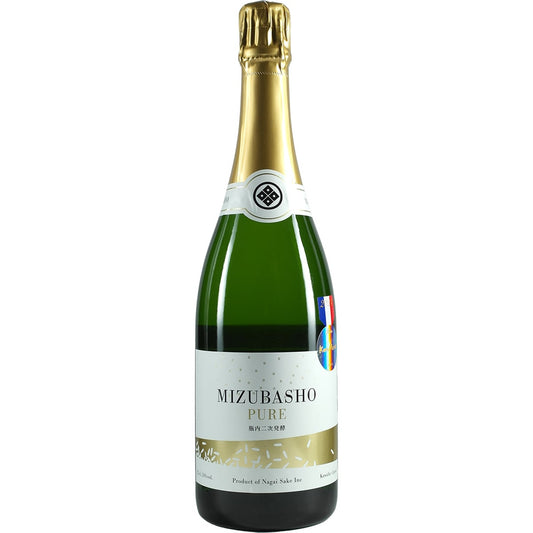
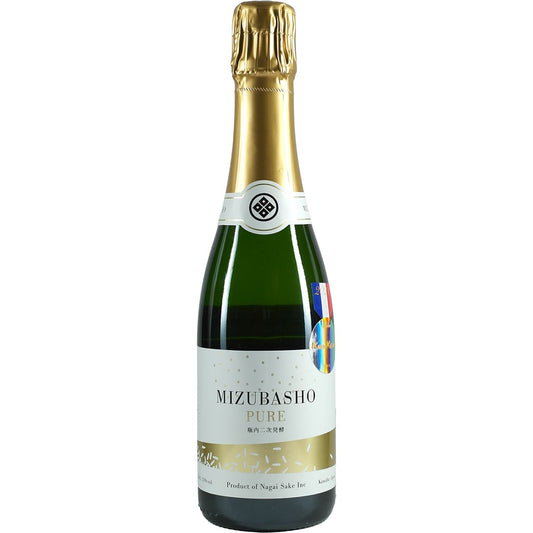
Mizubasho Pure Sparkling Sake 360ml
Regular price 23,00 €Regular priceUnit price per Unit price 63,89 € per L -
 Sold out
Hananomai Abysse Sparkling Sake
Regular price 15,60 €Regular priceUnit price per Unit price 21,67 € per L19,50 €Sale price 15,60 €Sold out -
Obata Manotsuru Junmai Ginjo AWA Sake / Sparkling Sake
Regular price 27,50 €Regular priceUnit price per Unit price 38,19 € per L -
 Sold out
Mizubasho Pure Sparkling Sake 720ml
Regular price 63,00 €Regular priceUnit price per Unit price 87,50 € per L -
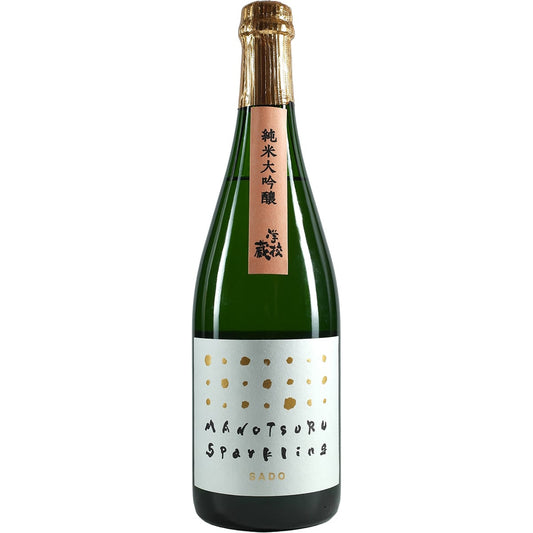
Obata Manotsuru Junmai Daiginjo AWA Sake / Sparkling Sake
Regular price 31,50 €Regular priceUnit price per Unit price 43,75 € per L -
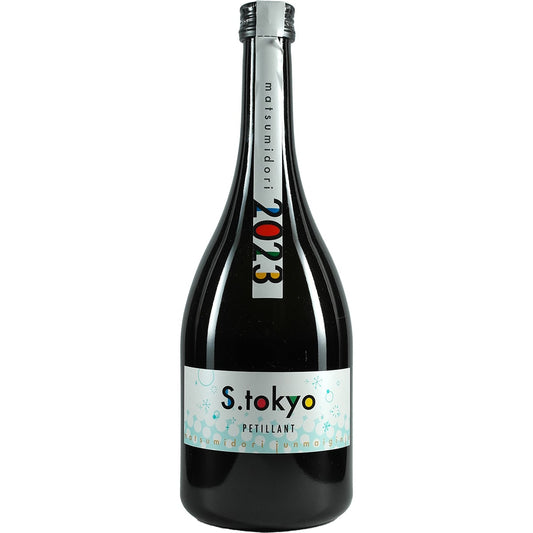
Sparkling Sake Matsumidori S. Tokyo Junmai Ginjo Petillant
Regular price 23,00 €Regular priceUnit price per Unit price 31,94 € per L


Awa Sake (Sparkling)
Awa Sake is the sparkling side of the sake world. This style, also known as sparkling sake, combines sake with noticeable carbonation: fine bubbles or a lively effervescence change the mouthfeel and can create a refreshing impression. It is precisely this perlage that makes Awa Sake an interesting choice for starting an evening, for toasts, and also as an accompaniment to a meal.
Sparkling sake does not refer to a single, uniform taste. The category includes lighter, lower-alcohol versions as well as significantly more robust bottlings. Accordingly, the spectrum ranges from fresh and sweet to dry and subtly fruity. The carbonation can also manifest differently—fine-beaded, zesty, or creamy and effervescent. Therefore, the individual bottle is decisive, rather than a blanket expectation of sweetness, aroma, or alcohol content.
Similarly, there is no single production method that applies to all Awa Sake. For some bottlings, the carbonation is created through a secondary fermentation in the bottle. Such information therefore always applies to the specific product. What the sake in this family shares is primarily the interplay between sake and perlage; its respective style determines whether it is delicate, lively, or powerful.
The Okuhida Sparkling Sake Kihouda shows the lighter side of the category: it is produced using the bottle-fermentation method, tastes fresh and sweet, and has only 5% alcohol. The Obata Manotsuru Junmai Ginjo AWA Sake forms a clear counterpoint. With 16.5% alcohol, it is stronger; at the same time, it is described as dry, less fruity, and fine-beaded.
Fruit and floral notes are at the forefront of the Hananomai Abysse Sparkling Sake. Its secondary fermentation takes place in the bottle; in the glass, it combines fresh fruit and floral notes with a balanced acidity and creamy effervescence. The Mizubasho Pure from Nagai Shuzo in Gunma, in turn, is produced using the traditional bottle-fermentation method and is characterized by an elegant, fine perlage.
Thus, Awa Sake does not open up a rigid flavor profile, but rather a special form of sake enjoyment: carbonation brings movement and texture to the glass, while alcohol strength, sweetness, dryness, and aromatics vary from product to product.