
-
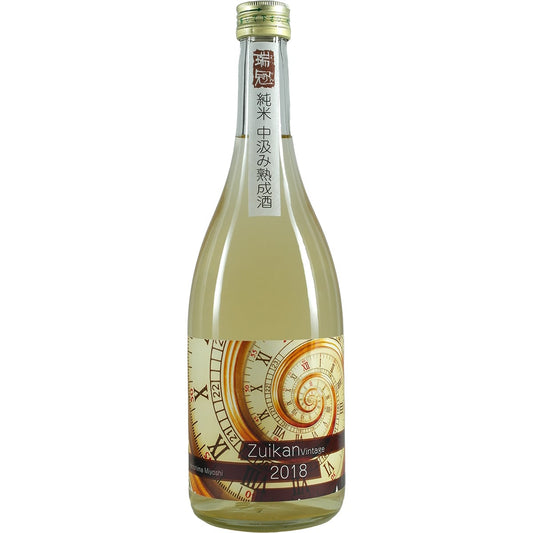
Zuikan Nakakumi Vintage 5 Years Junmaishu
Regular price 20,50 €Regular priceUnit price per Unit price 28,47 € per L -
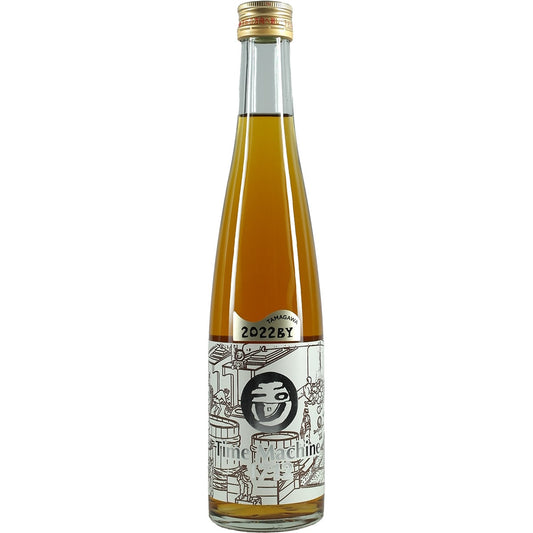
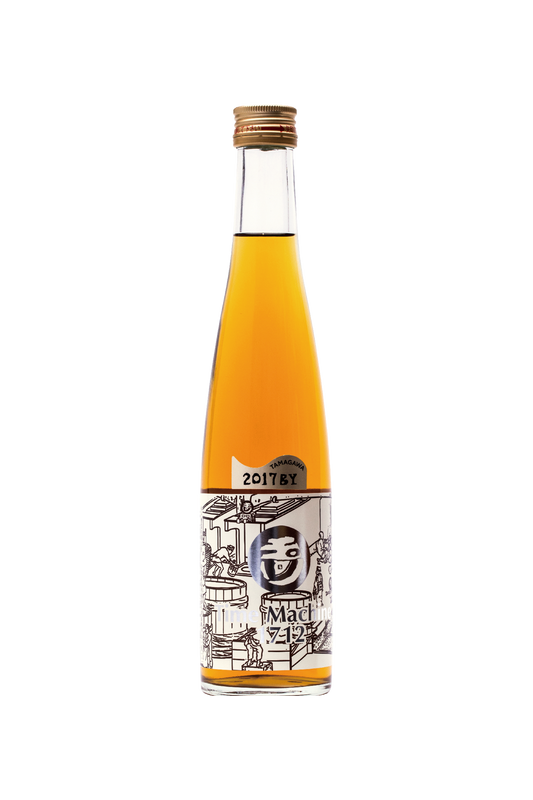
Tamagawa Time Machine
Regular price 25,00 €Regular priceUnit price per Unit price 83,33 € per L -
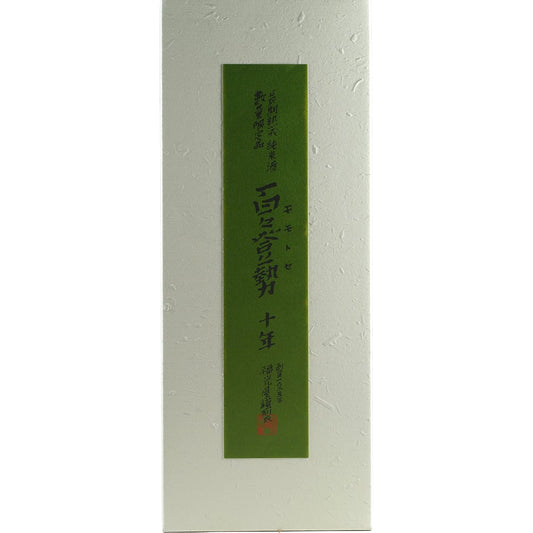
Momotose 10-Year Aged Sake 720ml
Regular price 95,50 €Regular priceUnit price per Unit price 132,64 € per L -

 Sold out
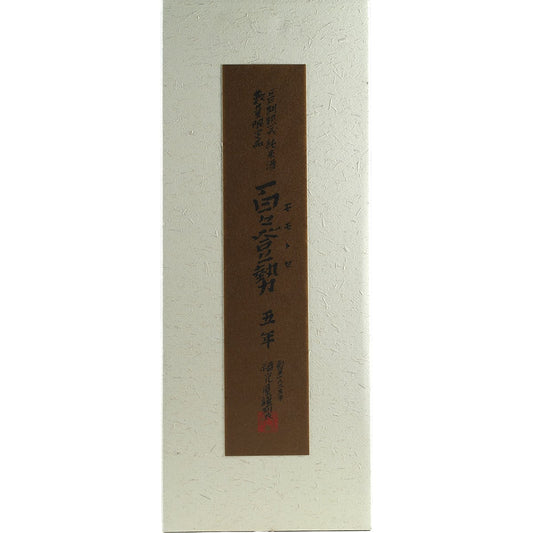
Momotose 5 Years Aged Sake 720ml
Regular price 54,50 €Regular priceUnit price per Unit price 75,69 € per L -
 Sold out
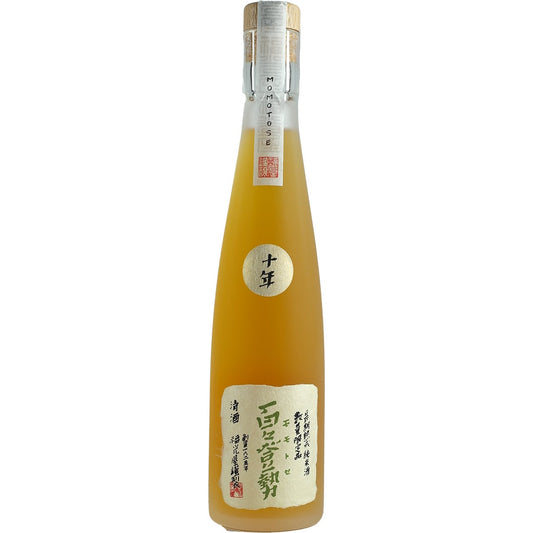
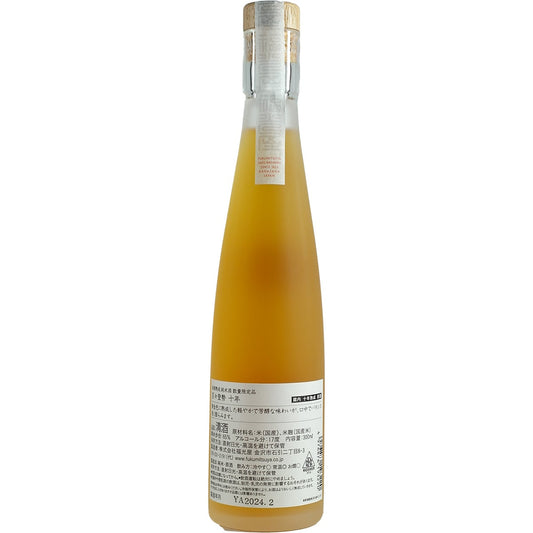
Momotose 10 Years Aged Sake 300ml
Regular price 47,50 €Regular priceUnit price per Unit price 158,33 € per L


Kohshu
Kohshu brings time to the glass – and the selection here does not begin with a definition, but with visible and taste-based contrasts. The Momotose 5 Years Aged Sake has a light amber color and is described as complex. The 300 ml version of the Momotose 10 Years Aged Sake shows a deep amber color and, according to the product description, a very complex taste. The Zuikan Nakakumi Vintage 5 Years Junmaishu is described as having a nutty and savory flavor. Thus, color, aging period, and the explicitly mentioned flavor profiles help to compare the bottles in the assortment with one another.
What aging can mean for sake
Most sake is drunk young, usually within one or two years of production. Aged sake makes up only a small part of the total spectrum. In Japan, "Kohshu" refers to aged sake. The Japanese Association for Long-Aged Sake defines Jukusei Kohshu as sake that has been aged for three years: from this point on, the savory aromas and flavors associated with maturation emerge. Changes can often be recognized as early as the second year.
How aged sake appears in the glass is not determined by age alone. Very slow aging at low temperatures can be accompanied by a light color; at ambient temperatures, sake can develop a deeper color and a more robust character. The color spectrum ranges from light yellow-green to gold, amber, and copper, all the way to brown. Aromas can also deepen: fresh, green impressions recede, while nuts, smoke, caramel, chocolate, and other toasted notes can emerge. Savory nuances and umami are also part of the documented spectrum. Color and aroma can provide clues about the maturation process.
The scents of aged sake sometimes resemble sherry, brandy, or whisky. However, with Kohshu, such impressions are generally not created by oak wood, but within the sake itself. Storage methods include glass bottles, enamel or stainless steel tanks, and ceramic vessels.
Comparing specific bottles
The Momotose 5 Years Aged Sake matures for five years in ceramic tanks. Its light amber color is linked in the shop data to amino acids and oxygen. The 300 ml version of the Momotose 10 Years Aged Sake represents ten years of maturation in ceramic tanks.
The Zuikan Nakakumi Vintage 5 Years Junmaishu is brewed with Yamada-Nishiki rice from Hiroshima, stored for four years in clay vessels, and reaches a total of five years of storage. It is described as having a golden-yellow color and a nutty, savory taste.
The Tamagawa Time Machine is brewed using a method from 1712 and is sweet, with molasses and dried fruits. Thus, the concrete selection ranges from nutty and savory to sweet; for the aged bottles, various shades of amber and documented storage times serve as additional points of orientation.