
-
Obata Manotsuru MAHO
Regular price 49,00 €Regular priceUnit price per Unit price 68,06 € per L -
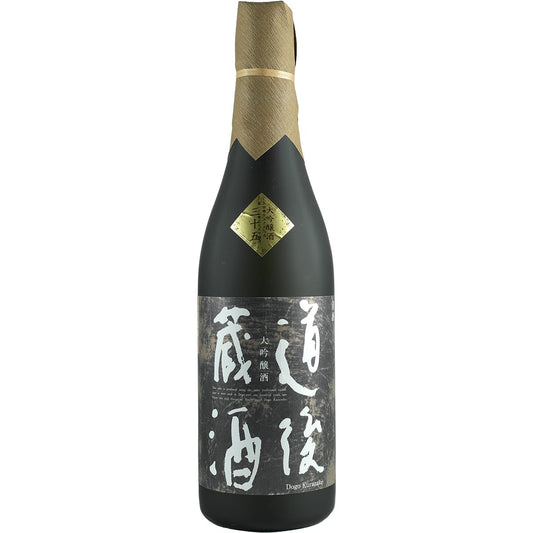
Minakuchi Dogo Sake Daiginjo Sake 35 720ml
Regular price 32,00 €Regular priceUnit price per Unit price 44,44 € per L -
Minakuchi Dogo Sake Daiginjo Sake 35 300ml
Regular price 10,50 €Regular priceUnit price per Unit price 35,00 € per L -
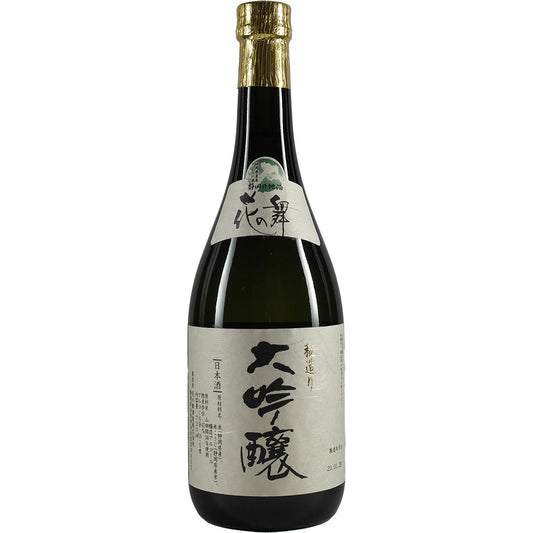
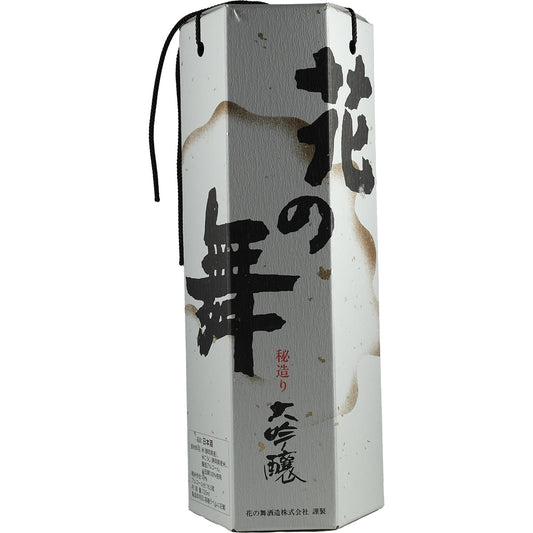
Hananomai Daiginjo
Regular price 33,00 €Regular priceUnit price per Unit price 45,83 € per L -
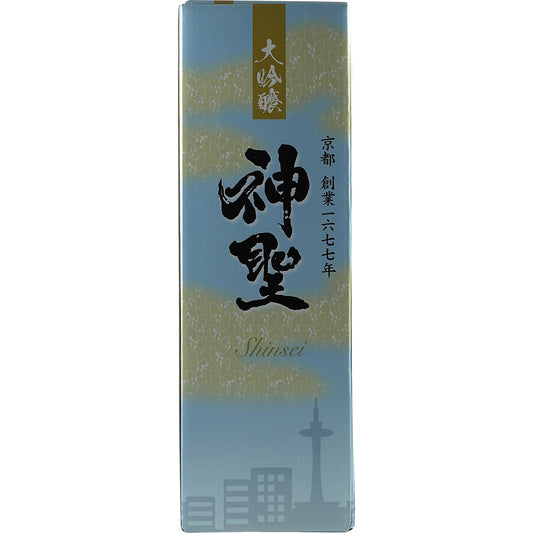
Yamamoto Honke Shinsei Daiginjo
Regular price 20,50 €Regular priceUnit price per Unit price 28,47 € per L -
 Sold out
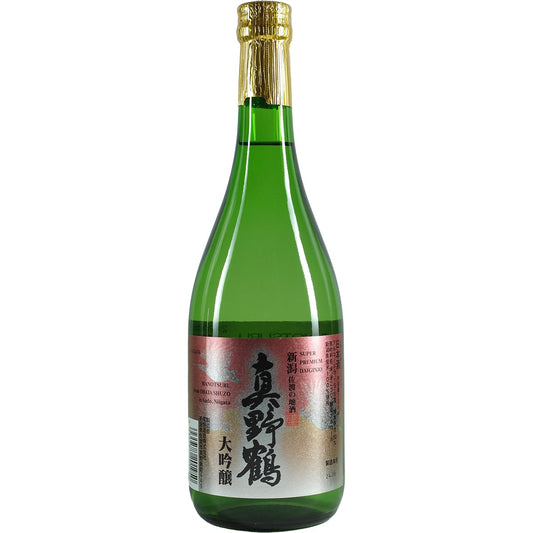
Obata Manotsuru Daiginjo
Regular price 27,00 €Regular priceUnit price per Unit price 37,50 € per L




Daiginjo
Daiginjo: When polishing creates room for aroma
With Daiginjo, curiosity often begins with a number: for this sake class, no more than 50% of the rice grain remains after polishing. Fats and proteins are concentrated in the outer layers; their targeted removal changes the foundation with which the brewery continues its work. The brewing process then follows a particularly careful form of the Ginjo method. Slow fermentation at very low temperatures is a common way to bring out aromatic elements.
This precision does not lead to a single Daiginjo taste. Rather, it opens up a finely graduated space between fragrance, fruit, texture, and a dry or slightly sweet impression. This is precisely where the appeal lies: even with the same polishing ratio, product descriptions can set different accents, while maturation or the omission of dilution provide further information for classification. 50% or less marks the artisanal framework; the individual bottle fills it with its own expression.
From fragrant to robust
This becomes particularly clear with two sakes with a 35% polishing ratio. The Minakuchi Dogo Sake Daiginjo Sake 35 from Ehime combines fruity and floral notes with an elegant, aromatic, and complex profile. Obata Manotsuru MAHO also relies on elegance at the same polishing ratio, but is characterized more concisely by its beautiful fruit note. The number on the label provides a precise insight into the rice processing here, but does not replace looking at the fragrance and mouthfeel.
Other bottles shift the focus more significantly. Hananomai Daiginjo appears round and slightly dry-sweet; it is intended to be enjoyed at room temperature. Yamamoto Honke Shinsei Daiginjo combines roundness with a dry taste. Obata Manotsuru Daiginjo, on the other hand, stands for a light, soft character. In this way, orientation is not created along a supposed hierarchy, but through the question of whether fragrance, dryness, roundness, or a gentle texture should be in the foreground.
What happens after fermentation
Treatment until bottling also influences the selection. After pressing, sake is often adjusted to a lower alcohol content with water; Genshu remains undiluted. In the case of the Nakazawa Daiginjo Genshu, no water was used for dilution. According to the product description, the higher alcohol content enhances its slightly sweet, fruity taste. The Jokigen Daiginjo Nakakumito takes a different approach: additional time in the tank is intended to produce a more robust taste.
Between the fragrant-floral Minakuchi, the dry Shinsei, and the matured Jokigen, the breadth of the actual selection becomes apparent. Those who compare Daiginjo can therefore start with three tangible pieces of information: polishing ratio, flavor profile, and treatment after fermentation. Together, they make the range that Daiginjo can have within the framework defined by the polishing understandable.