
-
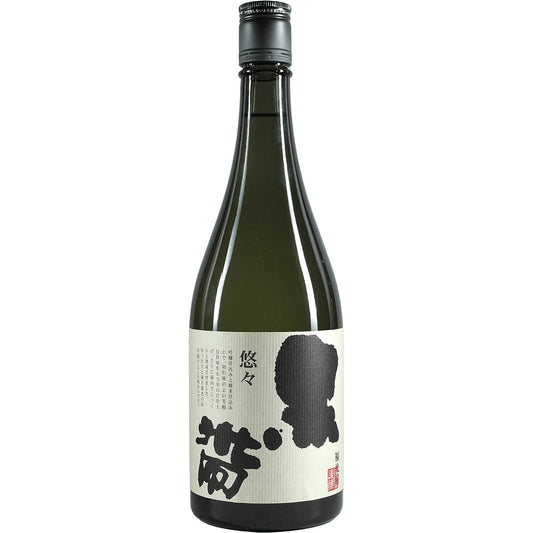
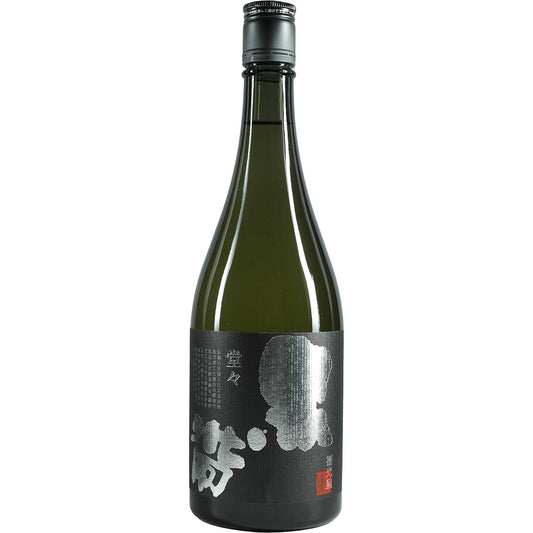
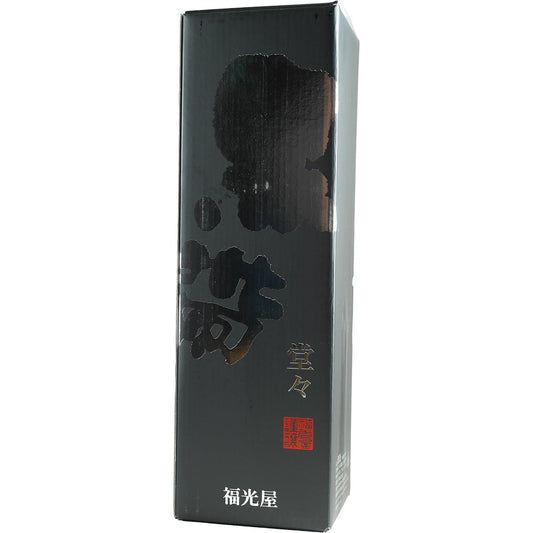
Kuroobi Yuyu
Regular price 18,00 €Regular priceUnit price per Unit price 25,00 € per L -
Kuroobi Dodo Yamahai
Regular price 24,50 €Regular priceUnit price per Unit price 34,03 € per L -
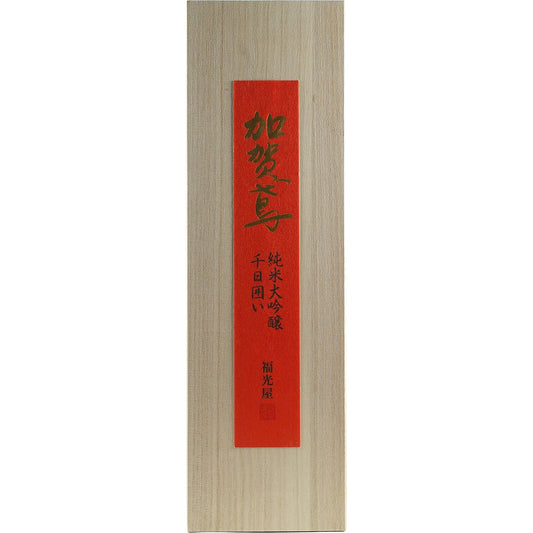
Kagatobi Kissho Junmai Daiginjo
Regular price 53,50 €Regular priceUnit price per Unit price 74,31 € per L -
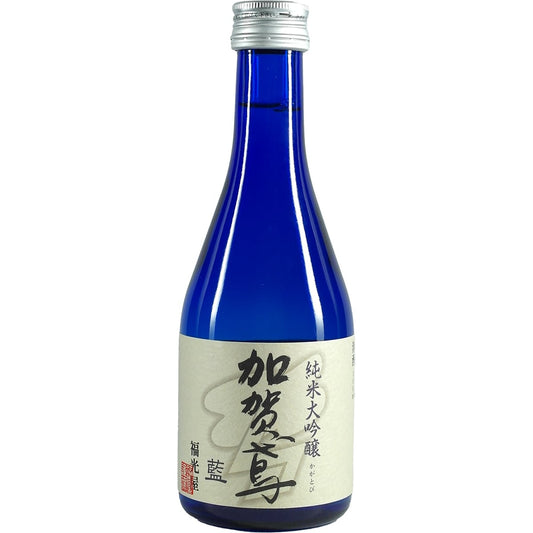
Kagatobi Ai Junmai Daiginjo 300ml
Regular price 13,50 €Regular priceUnit price per Unit price 45,00 € per L -
Kagatobi Junmai Daiginjo Senkkai Nishikie Label
Regular price 62,50 €Regular priceUnit price per Unit price 86,81 € per L -
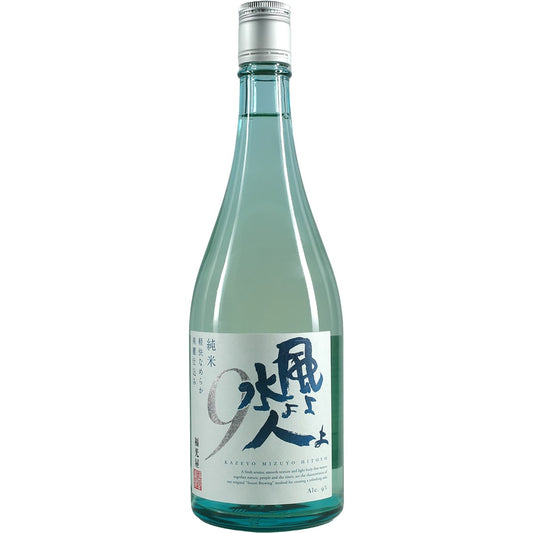
Kazeyo Mizuyo Hitoyo 9 300ml
Regular price 8,00 €Regular priceUnit price per Unit price 26,67 € per L -
Kazeyo Mizuyo Hitoyo 9 720ml
Regular price 17,00 €Regular priceUnit price per Unit price 23,61 € per L -
 Sold out
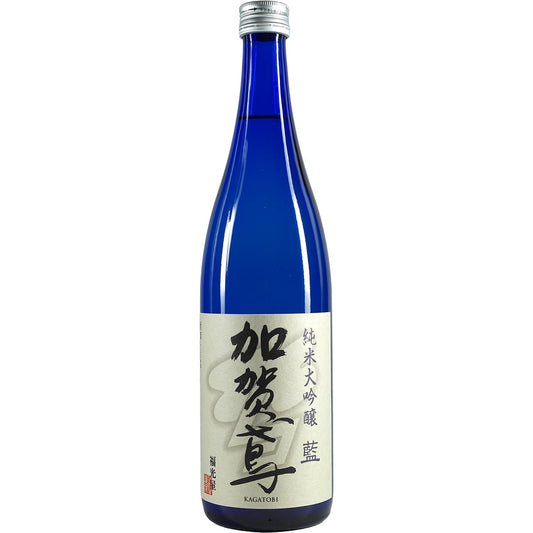
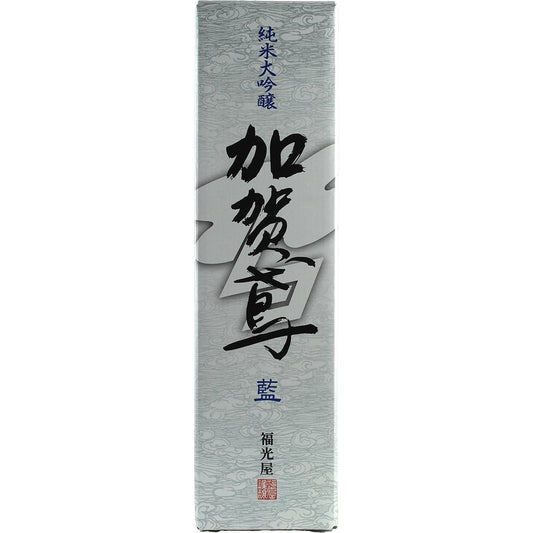
Kagatobi Ai Junmai Daiginjo 720ml
Regular price 21,20 €Regular priceUnit price per Unit price 29,44 € per L26,50 €Sale price 21,20 €Sold out -
 Sold out
Kagatobi Junmai Ginjo 720ml
Regular price 21,50 €Regular priceUnit price per Unit price 29,86 € per L21,50 €Sale price 21,50 €Sold out -
 Sold out
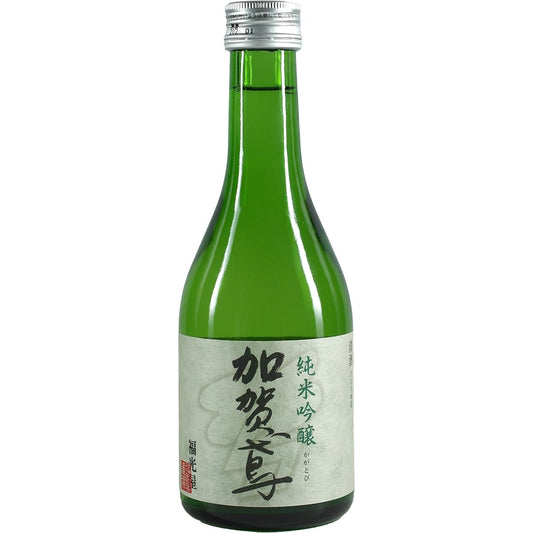
Kagatobi Junmai Ginjo 300ml
Regular price 9,50 €Regular priceUnit price per Unit price 31,67 € per L





Kagatobi
Fukumitsuya from Kanazawa brews in Ishibiki in the Ishikawa Prefecture. The house's history dates back to 1625 and is closely linked to Kanazawa. Over the centuries, a distinct culture of craftsmanship, cuisine, and sake brewing developed in this city. Fukumitsuya not only carries this heritage in the names of its sakes but also in a clear vision of the foundations that are crucial to the brewery.
It starts with rice and water. Fukumitsuya attaches special importance to the selection of sake rice and the quality of the brewing water; to this are added koji, yeast, and the work of the kurabito in the brewery. In 2001, the house shifted its entire production to Junmai sake. As a Junmai-Gura, Fukumitsuya has brewed without the addition of brewers alcohol ever since. As a result, rice, water, and the careful management of the fermentation process remain the defining foundations of the sake.
This concentration does not mean stylistic narrowness. Fukumitsuya works with different polishing ratios, sake categories, and maturation periods. It is precisely this maturation that shows how far the character of a sake can develop within a single house. Ceramic tanks play a special role for individual bottlings: they are used for both two-year maturation periods and storage for nearly three years.
Kagatobi is one of Fukumitsuya's sake lines. The Kagatobi Junmai Ginjo is slightly sweet and intentionally kept simple rather than overly complex. The Kagatobi Ai Junmai Daiginjo appears elegant due to its high polishing ratio; a fine sweetness remains subtly integrated into the flavor profile. For the Kagatobi Kissho Junmai Daiginjo, the polishing ratio is 40 percent. It is described as elegant and complex and is offered in a decorative wooden box.
Another side of the brewery is shown by the Kagatobi Junmai Daiginjo Senkkai Nishikie Label. This sake matures for 1000 days, or just under three years, in ceramic tanks. During this time, it develops a slightly brownish color and a significantly more complex taste. The Kuroobi Yuyu also combines maturation with an unusual composition: for this sake, a Junmai and a Junmai Daiginjo are blended and then stored in ceramic tanks for two years. Thus, Fukumitsuya's work ranges from the accessible Junmai Ginjo to long-matured bottlings, without ever leaving the shared foundation of rice, water, and the Junmai brewing method.