
-
Hananomai Katana Junmai Ginjo 720ml
Regular price 14,00 €Regular priceUnit price per Unit price 19,44 € per L -
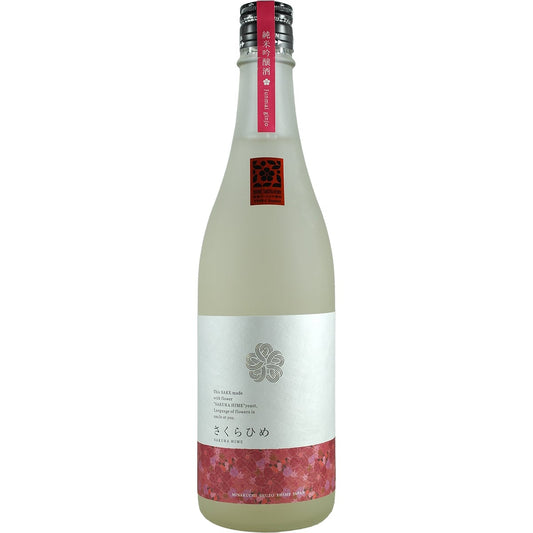
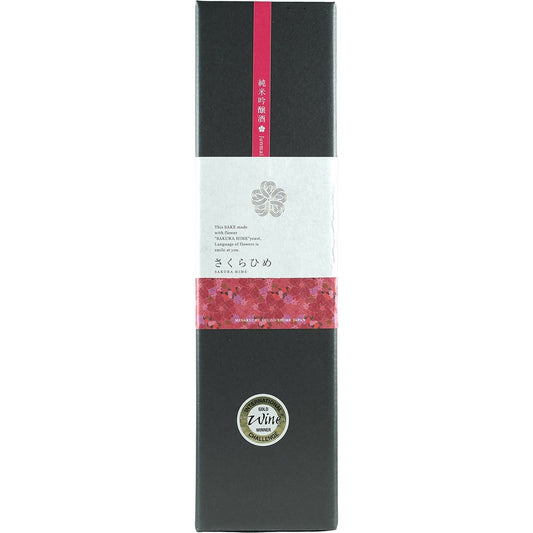
Minakuchi Nikitatsu Junmai Ginjo Sake Sakurahime 720ml
Regular price 22,00 €Regular priceUnit price per Unit price 30,56 € per L -
Afuri Dewasansan Junmai Ginjo
Regular price 22,50 €Regular priceUnit price per Unit price 32,14 € per L -
Ishikawa Junmai Ginjo Sakura Bottle
Regular price 18,50 €Regular priceUnit price per Unit price 25,69 € per L -
Yamamoto Honke Shinsei Junmai Ginjo
Regular price 14,50 €Regular priceUnit price per Unit price 20,14 € per L -
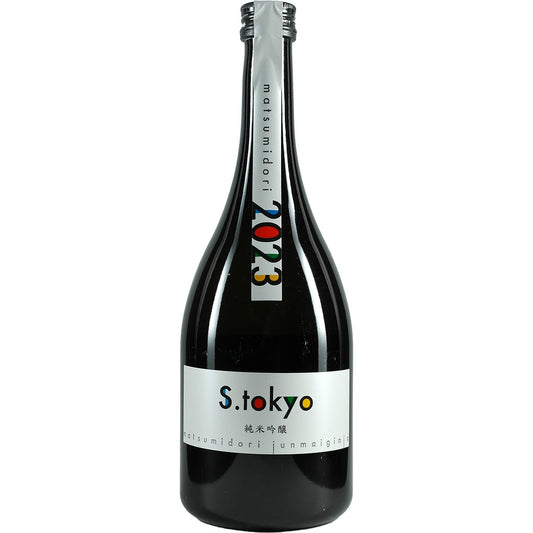
Matsumidori S. Tokyo Junmai Ginjo
Regular price 23,00 €Regular priceUnit price per Unit price 31,94 € per L -
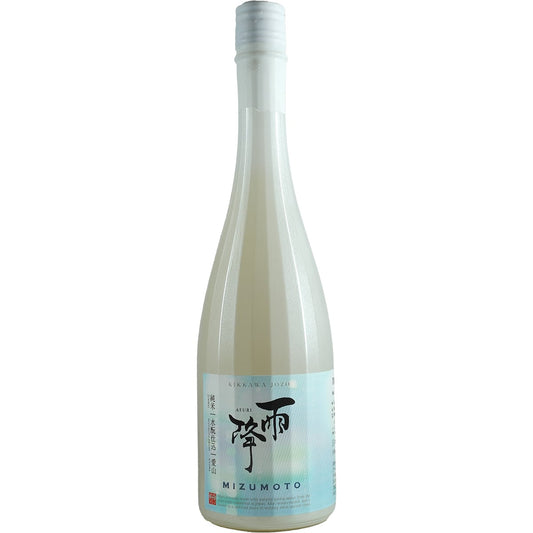
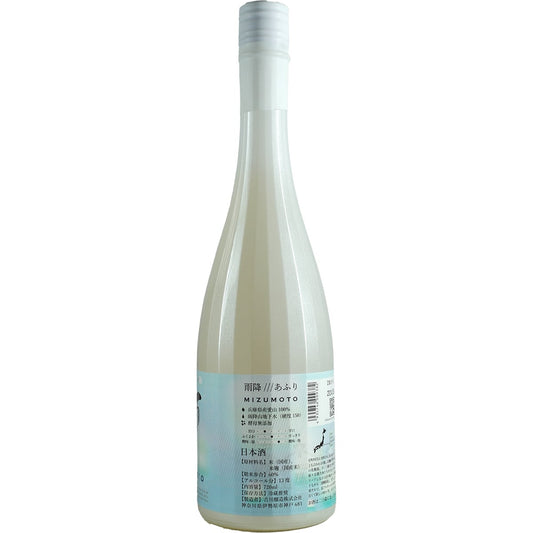
Afuri "Mizumoto"
Regular price 24,00 €Regular priceUnit price per Unit price 33,33 € per L -
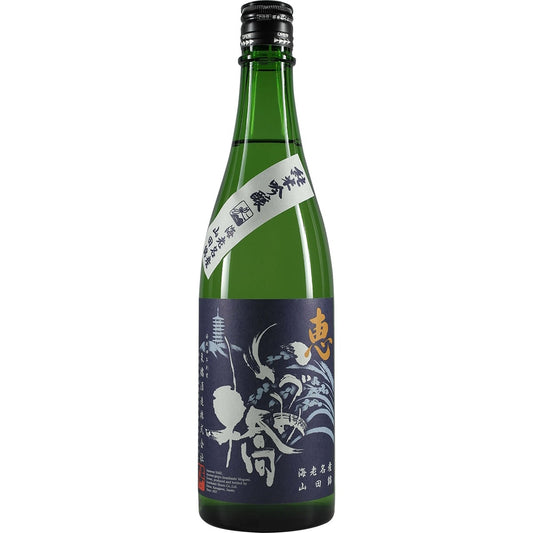
Izumibashi Junmai Ginjo White Koji
Regular price 29,00 €Regular priceUnit price per Unit price 40,28 € per L -
Hananomai Katana Junmai Ginjo 1800ml
Regular price 27,50 €Regular priceUnit price per Unit price 15,28 € per L -
Moriki Junmai Ginjo Jyungin 720ml
Regular price 24,50 €Regular priceUnit price per Unit price 34,03 € per L -
Yamamoto Honke Shinsei Junmai Ginjo Local Rice and Koji
Regular price 20,50 €Regular priceUnit price per Unit price 28,47 € per L -
Moriki Junmai Ginjo Jyungin 300ml
Regular price 11,50 €Regular priceUnit price per Unit price 38,33 € per L -
Izumibashi Junmai Ginjo Blue Label Yamada Nishiki 720ml
Regular price 21,50 €Regular priceUnit price per Unit price 29,86 € per L -
Ishikawa Junmai Ginjo Aoseki
Regular price 21,50 €Regular priceUnit price per Unit price 29,86 € per L -
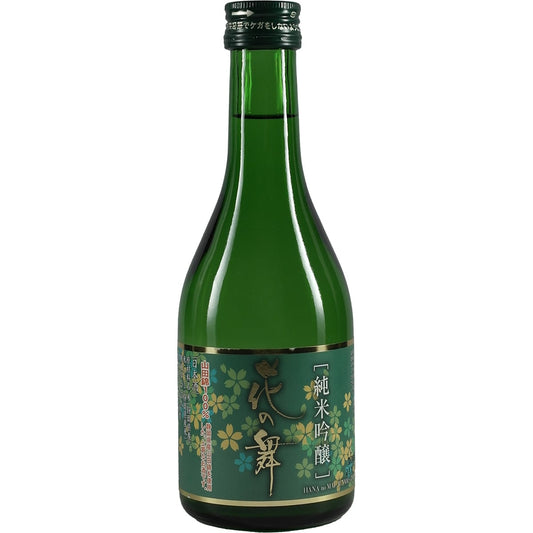
Hananomai Yamadanishiki Junmai Ginjo 300ml
Regular price 8,50 €Regular priceUnit price per Unit price 28,33 € per L -
Minakuchi Nikitatsu Junmai Ginjo Sake Sakurahime 300ml
Regular price 8,00 €Regular priceUnit price per Unit price 26,67 € per L







Junmai Ginjo
Junmai Ginjo: Choosing sake to suit your taste
Junmai Ginjo refers to a category of sake with no added brewer's alcohol, for which the rice is polished to no more than 60% of its original weight. This label provides you with an initial orientation regarding production, but does not define a uniform taste. When selecting sake according to your preferences, it is therefore worth taking a look at the description of the individual bottle: Do you prefer it dry, slightly fruity, or rather full-bodied with a gentle sweetness?
What rice polishing and Junmai mean
During rice polishing, the outer layers of the rice grain are removed. For Ginjo, at least 40% of the original rice weight must be removed; no more than 60% remains. A stated polishing rate of 60% therefore describes the remaining portion, not the amount removed. It is not a flavor value and does not tell you on its own which sake you will prefer.
Junmai means that no brewer's alcohol is added. The sake still contains alcohol: its alcohol is created through fermentation. How it ultimately tastes depends, among other things, on the rice, water, yeast, and brewing method. Neither a specific sweetness nor a specific aroma can be derived from the category alone.
How to find your style
The Junmai Ginjo in the Jsake range offer you various flavor starting points. Use the characteristics that you personally like as a first guide:
- Hananomai Katana: dry and voluminous.
- Yamamoto Honke Shinsei: dry and slightly tart.
- Afuri Dewasanan: round and full-bodied with a gentle sweetness.
- Minakuchi Sakurahime: fruity, floral, and light.
- Daimon Minus-1 Blue: fresh and fruity with fine acidity.
- Ishikawa Aoseki: elegant, balanced, and slightly fruity.
In this context, dry does not automatically mean light: Hananomai Katana, for example, combines dryness with volume. If, on the other hand, you prefer a light, fruity-floral style, the description of Minakuchi Sakurahime is a suitable starting point for your selection.
Enjoyment & food pairing
When it comes to food, the individual sake is the deciding factor, not just the category. The seasoning and preparation of the dish also play a role. Possible starting points for pairing include:
- Sushi and sashimi.
- Mildly seasoned Asian dishes.
- Grilled fish.
- Vegetable dishes.
These suggestions are not a blanket recommendation for every bottle. Check the respective product description for information on taste, enjoyment, and suitable food before you choose a sake to go with your meal.
Start with your preferred taste and then consider the occasion: Are you looking for a sake to get to know or an accompaniment for a specific dish? Match both with the product description. This way, you don't just choose based on the label Junmai Ginjo, but on the characteristics that are actually important for your enjoyment.