
-
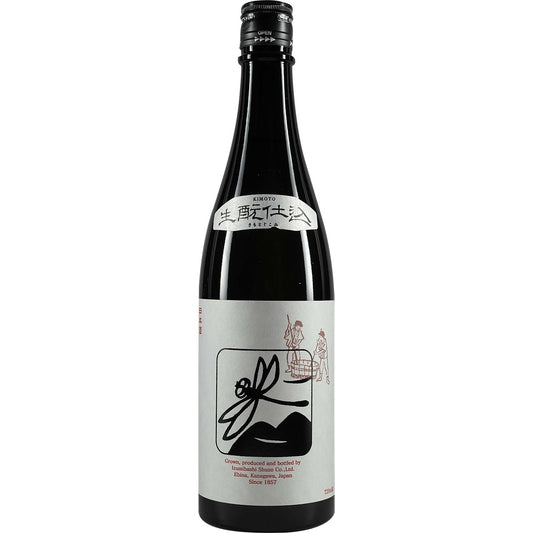
Izumibashi Kimoto Kurotonbo 720ml
Regular price 22,50 €Regular priceUnit price per Unit price 31,25 € per L -
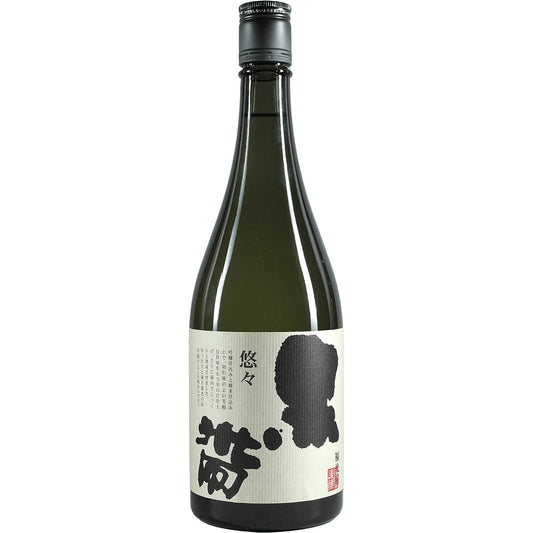
Kuroobi Yuyu
Regular price 18,00 €Regular priceUnit price per Unit price 25,00 € per L -
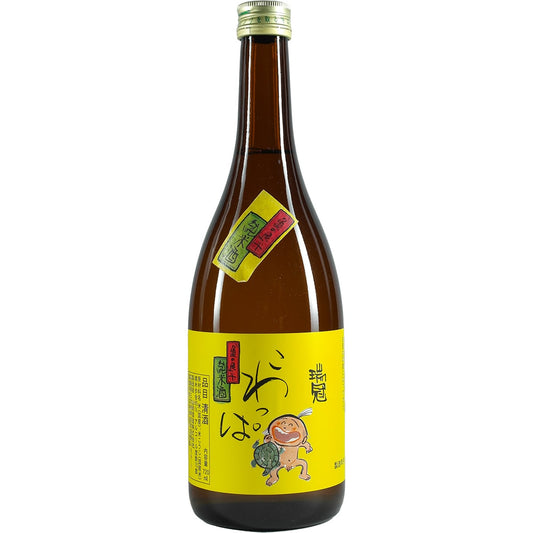
Zuikan Junmai Kowappa
Regular price 19,50 €Regular priceUnit price per Unit price 27,08 € per L -
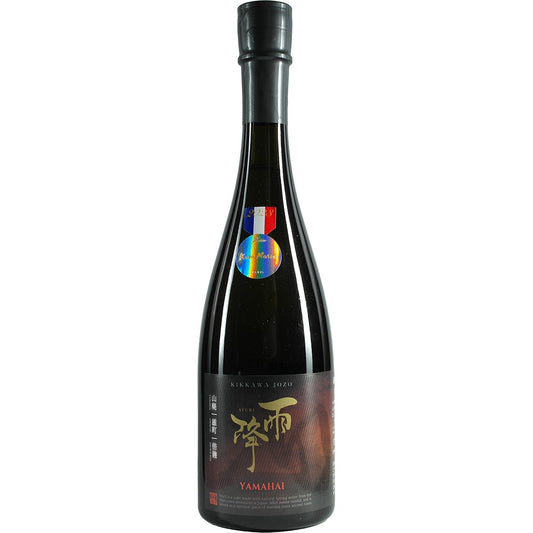
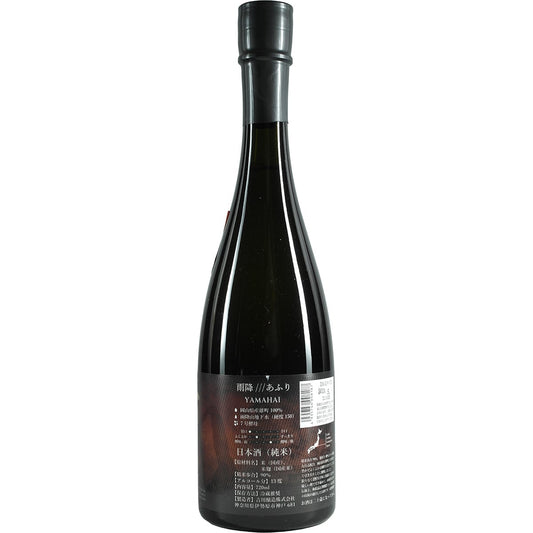
Afuri "Yamahai"
Regular price 26,00 €Regular priceUnit price per Unit price 36,11 € per L -
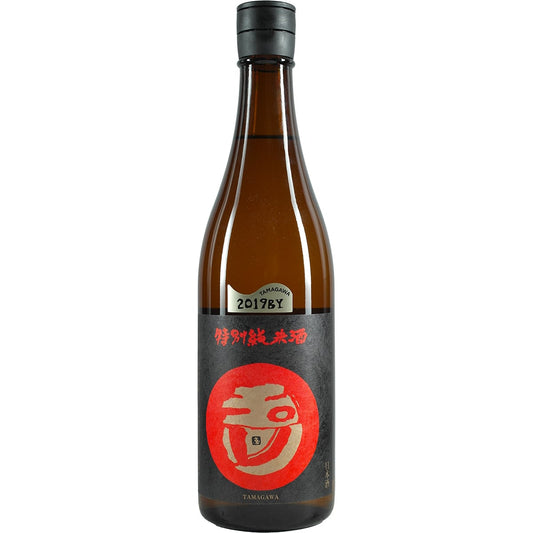
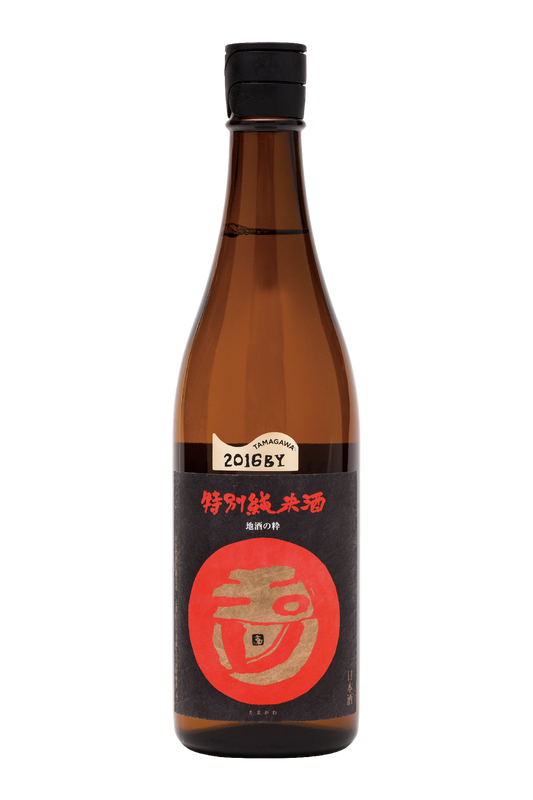
Tamagawa Tokubetsu Junmai
Regular price 31,00 €Regular priceUnit price per Unit price 43,06 € per L -
Izumibashi Pink Kurotonbo Kimoto Junmaishu
Regular price 23,50 €Regular priceUnit price per Unit price 32,64 € per L -
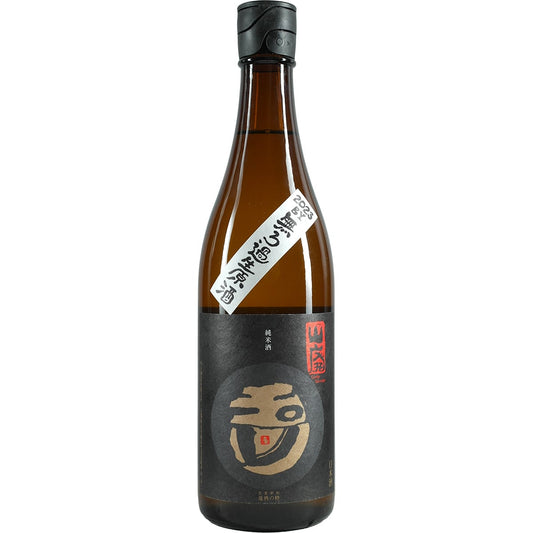
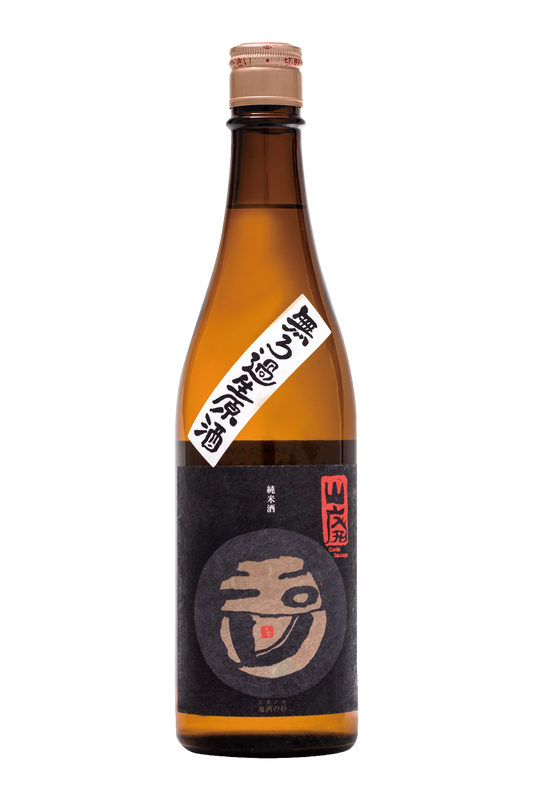
Tamagawa Red Label Muroka Nama Genshu Yamahai Junmai
Regular price 32,50 €Regular priceUnit price per Unit price 45,14 € per L -
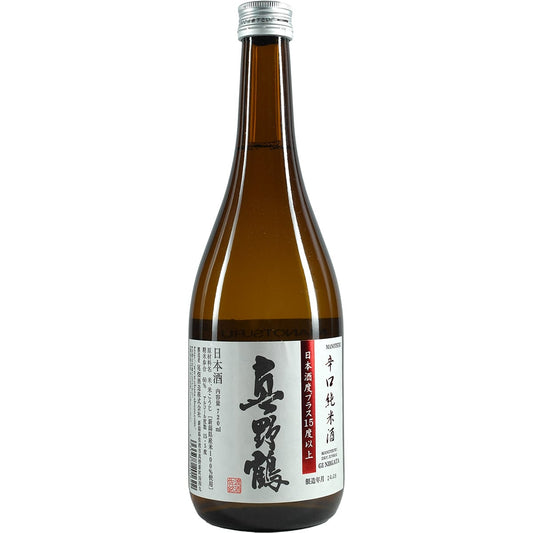
Obata Manotsuru Dry Junmai
Regular price 16,50 €Regular priceUnit price per Unit price 22,92 € per L -
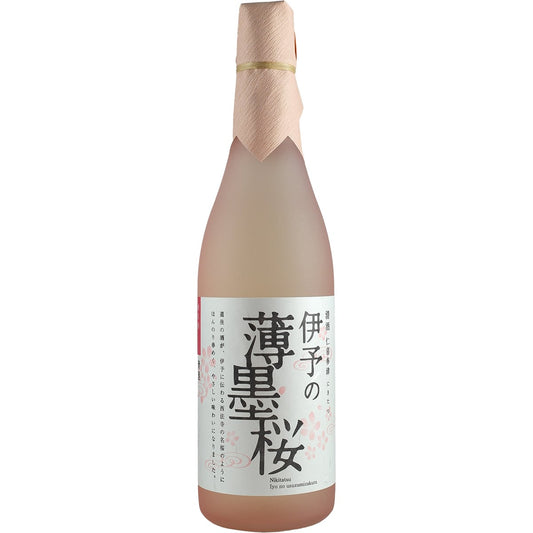
Minakuchi Iyo Usuzumizakura Junmai Sake
Regular price 16,00 €Regular priceUnit price per Unit price 22,22 € per L -
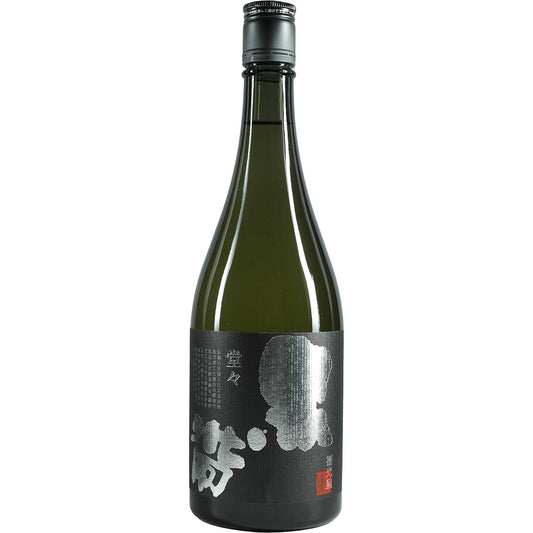
Kuroobi Dodo Yamahai
Regular price 24,50 €Regular priceUnit price per Unit price 34,03 € per L -
Izumibashi Sparkling Junmai Nigori
Regular price 9,50 €Regular priceUnit price per Unit price 38,00 € per L -
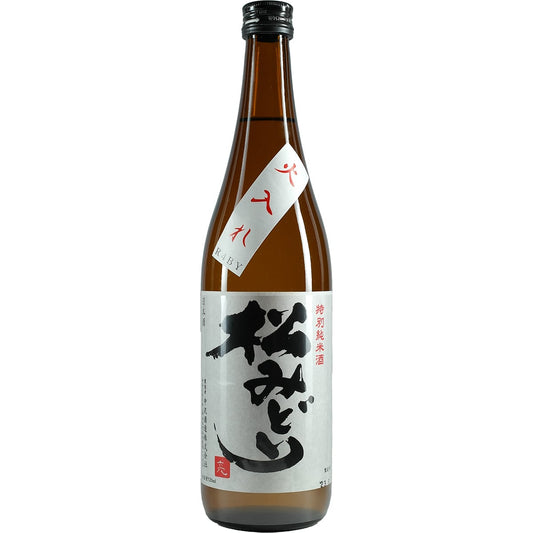
Matsumidori Tokubetsu Junmai
Regular price 19,50 €Regular priceUnit price per Unit price 27,08 € per L -
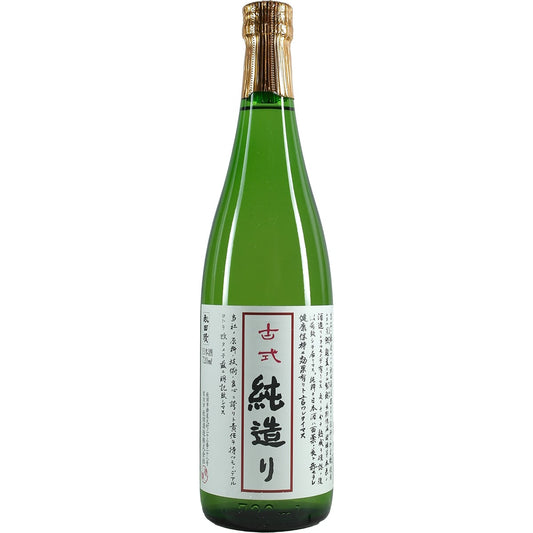
Akitabare Koshiki Junzukuri Junmai
Regular price 29,00 €Regular priceUnit price per Unit price 40,28 € per L -
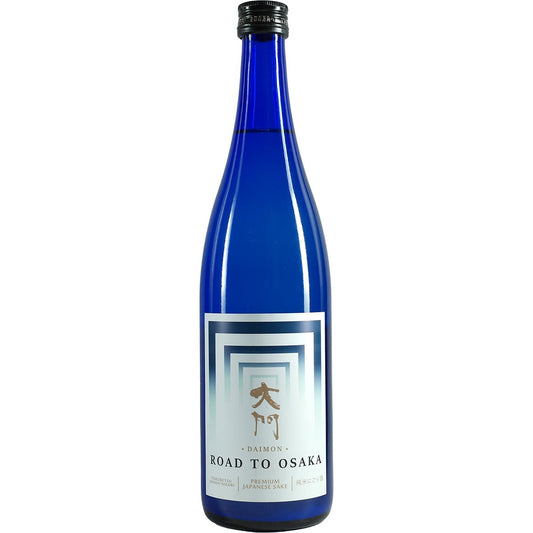
Daimon Road to Osaka Nigori
Regular price 18,00 €Regular priceUnit price per Unit price 25,00 € per L -
Hananomai Junmai Dry
Regular price 15,50 €Regular priceUnit price per Unit price 21,53 € per L -
Afuri Kasumi
Regular price 22,50 €Regular priceUnit price per Unit price 32,14 € per L




Junmai
Four ingredients, many directions
Junmai is brewed from rice, rice koji, yeast, and water. Distilled brewing alcohol is not added. This clear rule regarding ingredients creates a shared craft framework, but not a uniform taste. Even within the glass, the spectrum ranges from light and very dry to robust umami, pleasant acidity, gentle sweetness, or fine effervescence.
At the center is koji: rice inoculated with Aspergillus oryzae. The koji mold unlocks the starch of the rice as sugar, while yeast simultaneously converts this sugar into alcohol. These parallel processes enable sake fermentation. Even within this common framework, different production specifications open up further paths through the world of sake. Thus, Junmai combines a clear, understandable basic concept with surprisingly different flavor profiles.
Additions on the label also open further doors. With Junmai Ginjo, a maximum of 60 percent of the rice grain remains; it is brewed using the careful Ginjo process, often with slow fermentation at very low temperatures. For Junmai Daiginjo, this ratio is at most 50 percent. The polishing rate refers to the portion of the original grain that remains after milling.
From dry to deep and spicy
For a straightforward introduction, two dry poles are available: Obata Manotsuru Dry Junmai is very dry and simultaneously light; Hananomai Junmaishu Karakuchi presents itself as robust, refreshing, and very dry. In between lies Zuikan Junmai Kowappa with rice flavor, umami, pleasant acidity, and youthful freshness. Matsumidori Tokubetsu Junmai sets a different accent, with a balance of sweetness and acidity.
Traditional methods for the starter mash bring more depth. With Kimoto, naturally occurring lactic acid bacteria develop and create the acidic environment for the yeast. Yamahai emerged from this method; warm water and temperature control promote the natural dissolution of the rice and the growth of lactic acid bacteria. Afuri Ohana translates Kimoto into powerful umami, spicy and earthy notes, as well as a long, dry finish. Afuri “Yamahai,” on the other hand, appears deep and slightly sweet. Izumibashi Kimoto Kurotonbo, made from Yamada-Nishiki rice from the immediate vicinity of the brewery, matures for two years in the tank and can be drunk at room temperature or warm.
Effervescence and maturity as contrast
Junmai can also sparkle. Izumibashi Sparkling Junmai Negori is unfiltered and gains fine effervescence as well as a fruity, fresh character through a second fermentation in the bottle. Kuroobi Yuyu leads in the opposite direction: The unusual blend of Junmai and Junmai Daiginjo matures for two years in ceramic tanks. Between uncomplicated mildness, a dry pull, umami, acidity, and maturity, a selection is created in which the ingredient rule provides orientation without restricting the forms of expression.