
-
Jokigen Honjozo 720ml
Regular price 14,50 €Regular priceUnit price per Unit price 20,14 € per L -
 Sold out
Koyama Doburoku Negori 720ml
Regular price 15,50 €Regular priceUnit price per Unit price 21,53 € per L -
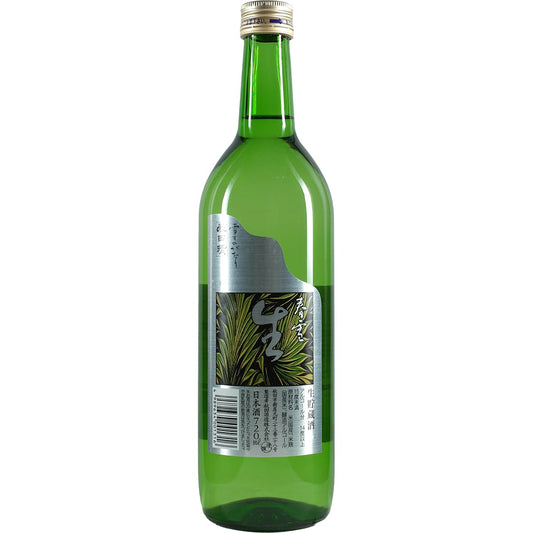
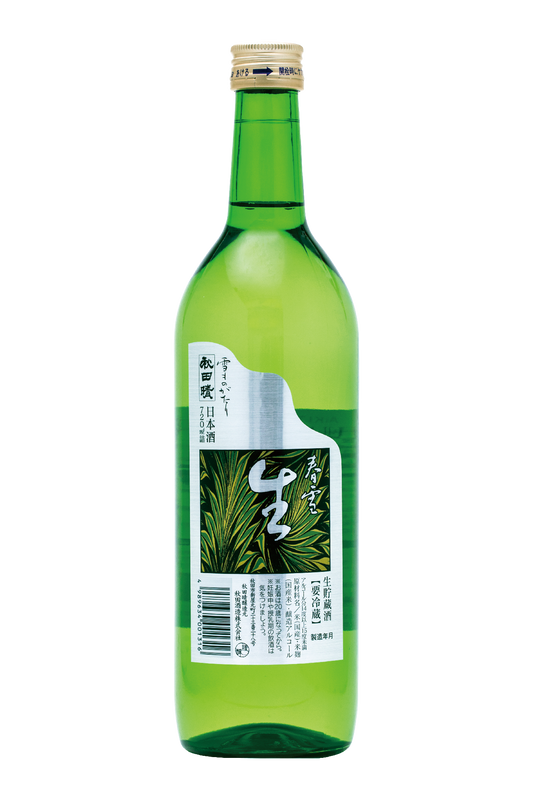
Akitabare Shunsetsu Nama Chozo Honjozo
Regular price 27,50 €Regular priceUnit price per Unit price 38,19 € per L -
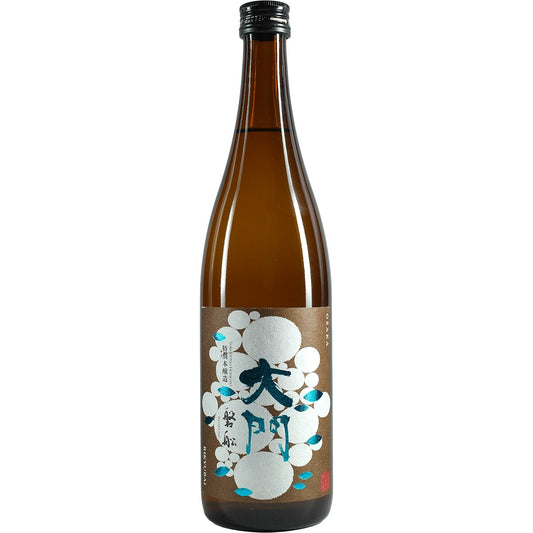
Daimon Rikyubai Iwafune Tokubetsu Honjozo 720ml
Regular price 17,50 €Regular priceUnit price per Unit price 24,31 € per L -
 Sold out
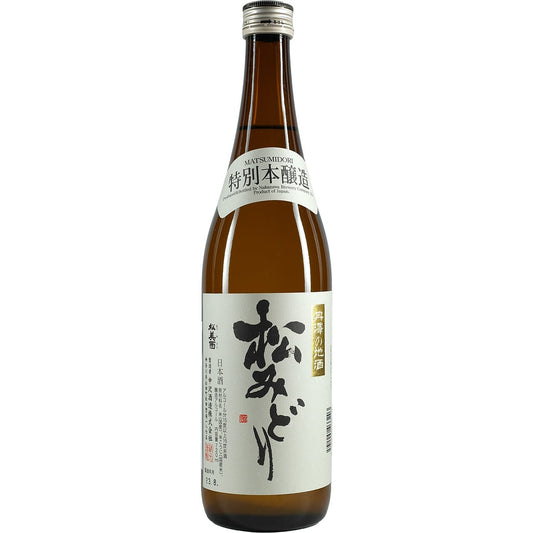
Nakazawa Tokubetsu Honjozo
Regular price 16,50 €Regular priceUnit price per Unit price 22,92 € per L


Honjozo
Honjozo: dry, robust, and versatile when served
Honjozo can taste very dry or robust and, depending on the bottle, can be enjoyed cold, at room temperature, or warm. Obata Manotsuru Devil's Dry is very dry and is recommended both warm and cold. Jokigen Honjozo is described as having a robust flavor and is intended to be enjoyed at room temperature or warm.
What defines Honjozo
For Honjozo, rice is polished to at most 70 percent of the original grain. Distilled alcohol is added late in the fermentation process; its amount must not exceed ten percent of the weight of the rice used. This addition can stabilize the sake, make the taste seem lighter, and highlight certain alcohol-soluble aroma elements. Smooth textures, a clean finish, and a more restrained rice character are often associated with Honjozo.
Junmai is made without added distilled alcohol. Honjozo and Junmai therefore differ primarily in their ingredients and production specifications.
From sweet to savory
The Akitabare Shunsetsu Nama Chozo Honjozo combines sweetness with a dry taste. Its description also mentions a balanced, elegant character and recommends it for the summer. The Daimon Rikyubai Iwafune Tokubetsu Honjozo can be drunk cold or hot and is described as easy to drink and suitable for beginners.
For the Nakazawa Tokubetsu Honjozo, both a sweet and a savory umami note are mentioned. Its temperature range extends from refrigerator temperature up to 50 °C. Thus, very dry, robust, sweet, and savory accents coexist in this selection – each with the serving instructions for the individual bottle.
Temperature also opens up various possibilities: Devil's Dry is enjoyed warm or cold, Jokigen at room temperature or warm, Daimon cold or hot. The selection thus combines specific flavor profiles with equally specific ways of serving.