
-
Obata Manotsuru MAHO
Regular price 49,00 €Regular priceUnit price per Unit price 68,06 € per L -
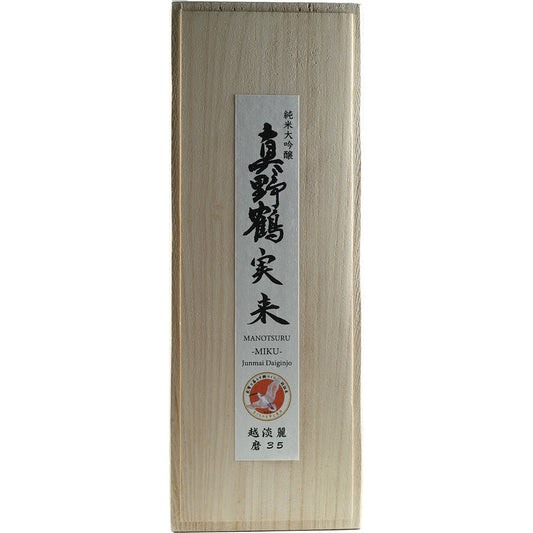
Obata Manotsuru MIKU
Regular price 49,00 €Regular priceUnit price per Unit price 68,06 € per L -
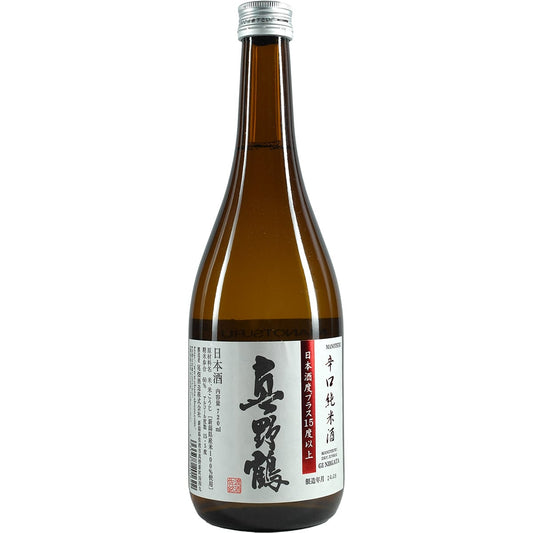
Obata Manotsuru Dry Junmai
Regular price 16,50 €Regular priceUnit price per Unit price 22,92 € per L -
Obata Kanadel Spiritoso Kijoshu
Regular price 27,50 €Regular priceUnit price per Unit price 38,19 € per L27,50 €Sale price 27,50 € -
Obata Manotsuru MAIMAI Junmai
Regular price 16,50 €Regular priceUnit price per Unit price 22,92 € per L -
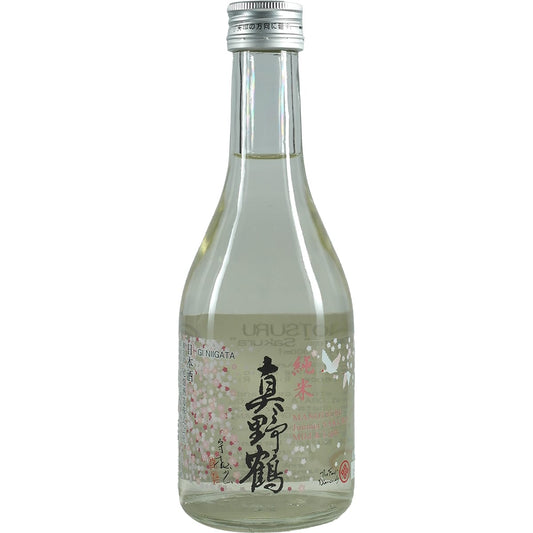
Obata Manotsuru Sakura 300ml
Regular price 6,50 €Regular priceUnit price per Unit price 21,67 € per L -
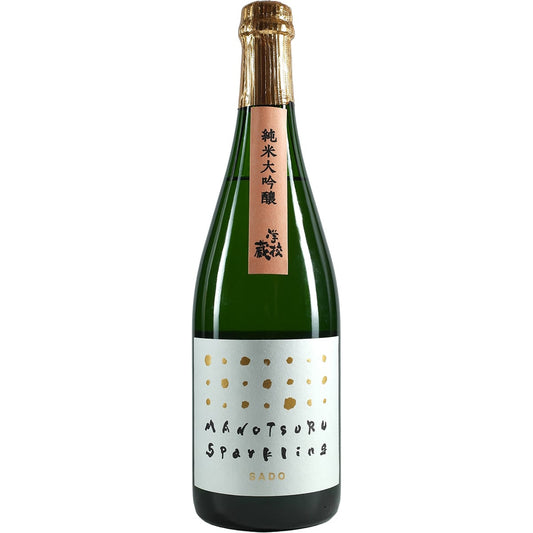
Obata Manotsuru Junmai Ginjo AWA Sake / Sparkling Sake
Regular price 27,50 €Regular priceUnit price per Unit price 38,19 € per L -
Obata Manotsuru Junmai Daiginjo AWA Sake / Sparkling Sake
Regular price 31,50 €Regular priceUnit price per Unit price 43,75 € per L -
 Sold out
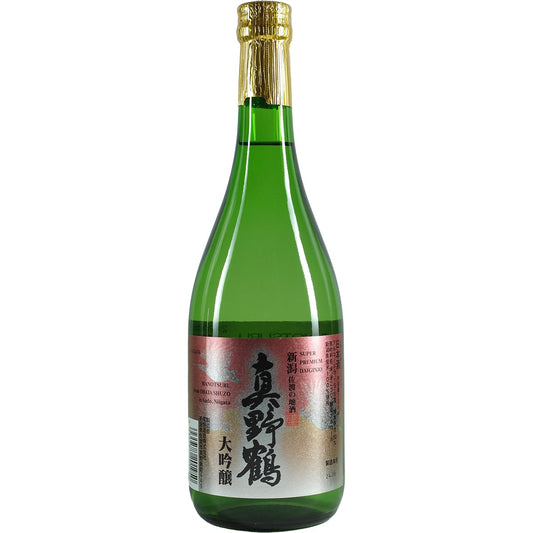
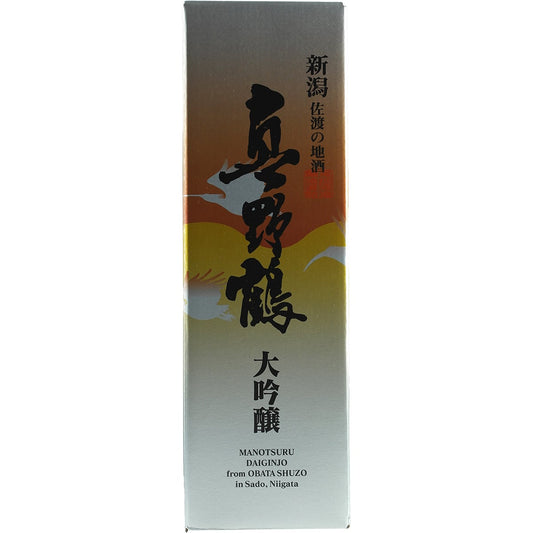
Obata Manotsuru Daiginjo
Regular price 27,00 €Regular priceUnit price per Unit price 37,50 € per L -

 Sold out
Obata Manotsuru MIJO 20
Regular price 86,50 €Regular priceUnit price per Unit price 120,14 € per L -
 Sold out
Obata Manotsuru Junmai Tsuru
Regular price 14,50 €Regular priceUnit price per Unit price 20,14 € per L -
 Sold out
Obata Manotsuru Live with Toki
Regular price 20,00 €Regular priceUnit price per Unit price 27,78 € per L







Obata
Obata Shuzo on Sado Island combines a clearly defined place of origin with a versatile contemporary selection of sake. The brewery is located at 449 Manoshinmachi, Sado City, in Niigata Prefecture. As such, the producer is not situated on the Japanese mainland, but on Sado, the island off the coast of Niigata that also reappears directly in several current bottlings.
At Obata, Sado is more than just a location on a label. This becomes particularly evident in the rice. For the Obata Manotsuru MIKU, a Junmai Daiginjo, a special rice is used that is grown exclusively on Sado. The lime from seashells in the soil contributes to a slightly sweet and mineral note in this bottling. The Obata Manotsuru Toki to Kurasu also remains closely linked to the island: special sake rice from Sado is used for this Junmai Ginjo. Its character is light and dry.
These two bottles show how Obata incorporates its location into the sake through concrete ingredients. At the same time, the current range is not committed to a single style. The Obata Manotsuru Dry Junmai is very dry, yet light, and is described as a companion to fish dishes. Thus, alongside the bottlings that tell more of a story of the island and the rice, there is also a straightforward Junmai, whose profile is defined primarily by dryness and lightness.
Another side of today's work is shown by the Obata Kandel Junmai Daiginjo Pizzicato Orikarami. Only ingredients from the immediate vicinity of the brewery are used for it; the energy for the brewing process comes entirely from renewable sources. These features are explicitly part of this bottling. Within the world of producers, they complement the connection between Sado and rice with a contemporary view of regional ingredients and energy supply.
Obata Shuzo can therefore be understood through the interplay of place, rice, and different sake styles. Sado forms the concrete geographical framework, while the individual bottles each tell their own part of this brewery story: through island rice, dry Junmai profiles, or ingredients from the immediate surroundings. This does not create a uniform taste profile, but rather an assortment whose commonality lies in the recurring relationship between Obata and its location on Sado.