
The Sake Calendar: Why you need to know about Namazake and Hiyaoroshi
Table of contents
- Winter: Shiboritate & Shinshu (The New One)
- Spring: Hanamizake (flower show)
- Summer: Natsuzake & Namazake (The Refreshment)
- Autumn: Hiyaoroshi (The Ripeness)
In Japan, the passing of the seasons is celebrated like almost nowhere else. And since sake is closely linked to rice cultivation and the cold winter (the brewing season), there is a perfect brew for every season.
If you know these terms, you'll always know exactly when which bottle tastes best.
Winter (Dec-Feb): Shiboritate & Shinshu
The key phrase: "Freshly squeezed"
The brewing season begins in October. In winter, the very first bottles of the new brewing year come onto the market. These are called Shinshu (New Sake) or Shiboritate (Freshly Pressed).
How it tastes: Wild, boisterous, often somewhat tangy and very fruity. It hasn't had time to rest and practically "roars" with freshness. It often has a slightly higher alcohol content.
👉 Perfect with: Hearty winter stews or fatty fish that is in season during winter.
Spring (Mar–May): Hanamizake
The key phrase: "cherry blossoms"
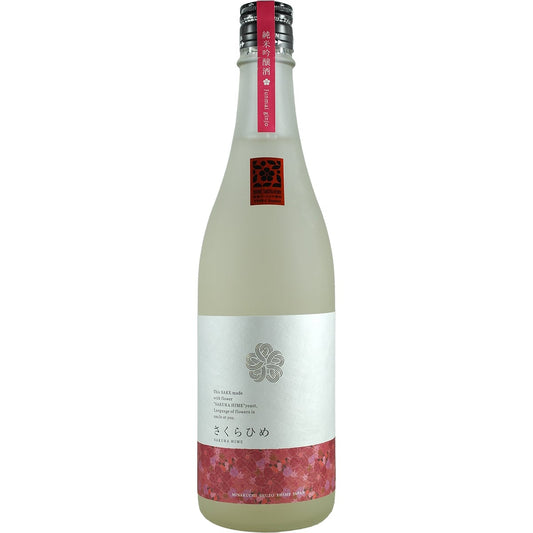
When the sakura (cherry blossoms) bloom, the Japanese gather for picnics under the trees (hanami). The sake served is often light, floral, and sometimes even slightly cloudy ( usunigori ), symbolizing the mist of spring.
Many breweries are now releasing bottles with pink labels or special spring editions. In terms of taste, they are often somewhat sweeter and lighter, fitting the cheerful mood.
Summer (Jun-Aug): Natsuzake & Namazake
The key phrase: "Ice cold & raw"
In the hot, humid Japanese summer, nobody wants heavy, warm alcohol. The solution is Natsuzake (summer sake). These are often sakes with a higher acidity, which makes them crisp and refreshing.
The star of the summer, however, is Namazake (unpasteurized sake). Because it hasn't been heated, it tastes incredibly vibrant and fruity-fresh. It absolutely must be served ice-cold, straight from the refrigerator. Some even drink it "on the rocks" with a slice of lime.
Fall (Sep-Nov): Hiyaoroshi
The key phrase: "Perfect maturity"
For connoisseurs, autumn is the best time for sake. The sake is brewed and pasteurized once in spring. Then it is allowed to mature throughout the summer in the cool kura (breweries).
It is bottled in the autumn – without a second pasteurization. This is called Hiyaoroshi .
How it tastes: The wild restlessness of winter is gone. The sake is smooth, soft, profound, and full of umami. It's the ultimate food pairing dream, especially with mushrooms, game, chestnuts, or grilled fish (sanma).
What season is it right now?
Take a look at our "New Products".