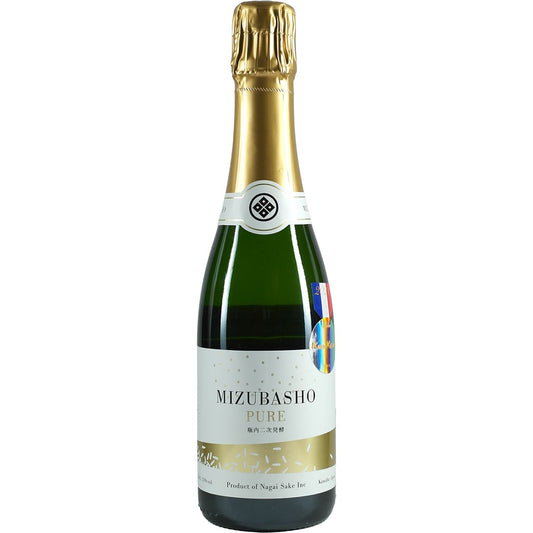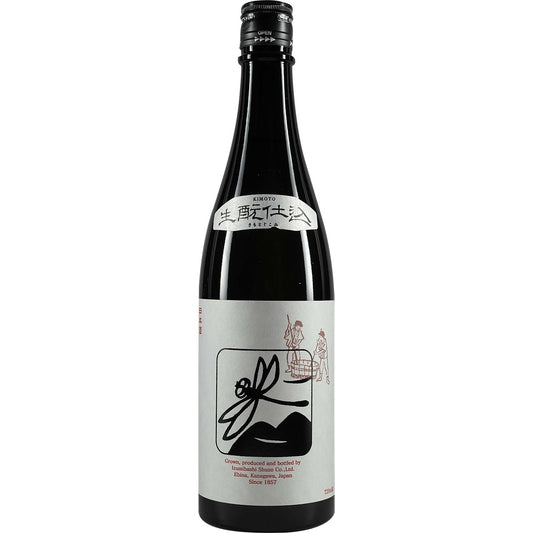

Reading sake labels: What SMV, acidity, and date reveal
Table of contents
- The SMV (Nihonshu-do): Sweet or Dry?
- The acid (San-do): The backbone
- The date: How fresh is my sake?
- 3 terms for connoisseurs (Genshu, Nama, Nigori)
Sake labels are often works of art in calligraphy – but often a puzzle for non-native Japanese speakers. However, almost every premium bottle has small numbers on the back (or in the data sheet in our shop) that tell you exactly how the sake tastes, without you having to taste it.
The most important of these is the SMV .
The SMV (Nihonshu-do): Sweet or Dry?
The Sake Meter Value (SMV), or Nihonshu-do (日本酒度) in Japanese, measures the density of sake compared to water. Since alcohol is lighter than water and residual sugar is heavier, this value indicates how much sugar remains after fermentation.
The rule of thumb is simple:
- Positive numbers (+) indicate that the sake is dry (Karakuchi). The higher the number, the less sugar, the drier it is.
- Negative numbers (-): The sake is sweet (Amakuchi). The lower the number (e.g., -10), the more residual sugar, the sweeter it is.
- Zero (±0): Neutral / Balanced.
Here is a guide for your next purchase:
| SMV value | Flavor profile | Typical perception |
|---|---|---|
| -6 to -2 | Sweet to lovely (Amakuchi) | Full-bodied, often fruity. Great as a dessert sake. |
| -1 to +2 | Neutral / Off-Dry | The golden mean. Balanced and pleasing. |
| +3 to +6 | Dry (Karakuchi) | Crisp, clean finish. The classic accompaniment to sushi. |
| +7 and higher | Extra Dry (Chō-Karakuchi) | Very "clean", almost no sweet aftertaste. |
👉 Find your favorite:
Light & Dry
Fine, clear and dry – an elegant sake for true purists.
Light & Sweet
Fruity, soft and easily accessible – perfect for beginners.
Rich & Dry
Strong, complex and dry – for lovers of multifaceted aromas.
Rich & Sweet
Full-bodied, well-rounded and pleasantly sweet – a delight with dessert.
The acid (San-do): The backbone
The second important figure is the acidity level, known in Japanese as San-do (酸度). It usually ranges between 1.0 and 2.0. Unlike wine, where acidity often means "fruity and sour," acidity in sake provides structure, spice, and umami .
- Higher acidity (approx. 1.6+): The sake tastes fuller, richer, and has more "bite." Acidity helps balance a sweet sake so it doesn't taste cloying. It also pairs excellently with fatty foods.
- Lower acidity (below 1.3): The sake tastes softer, gentler and "smoother" when drinking.
Pro tip: A sake with a sweet SMV (-3) but high acidity (1.8) can still taste dry because the acidity "masks" the sweetness.
The date: How fresh is my sake?
Unlike wine, which often matures in cellars for years, most sake is brewed to be drunk fresh. Freshness is quality.
The label often shows the production date or brewing year (BY = Brewing Year) . A sake brewing year in Japan traditionally runs from July 1st to June 30th of the following year.
Our recommendation regarding shelf life:
- Unopened: Store sake in a cool, dark place. Ideally, drink it within 12–18 months of the shipping date (often stamped on the label) to experience the freshest flavors.
- Once opened: Store in the refrigerator and enjoy within 1–3 weeks.
3 terms for experts
Besides the numbers, you will often find special terms that say a lot about the style:
- Genshu (原酒): Undiluted sake. Most sakes are diluted with water after brewing to approximately 15-16% alcohol. Genshu is bottled neat and often has 18-20% alcohol. It has an intense and powerful flavor – great "on the rocks" (on ice).
- Namazake (生酒): Unpasteurized sake ("raw sake"). It has not been heated to stop enzyme activity. It tastes incredibly fresh, vibrant, and fruity, but must be kept refrigerated at all times .
- Nigori (にごり酒): Cloudy sake. It has only been coarsely filtered, leaving fine rice particles in the sake. It is creamy, often slightly sweeter, and has an interesting texture. (Tip the bottle gently once before drinking!)
Test your knowledge on a live subject!
Pick a bottle from our range and take a look at the data. Can you find your perfect "SMV match"?