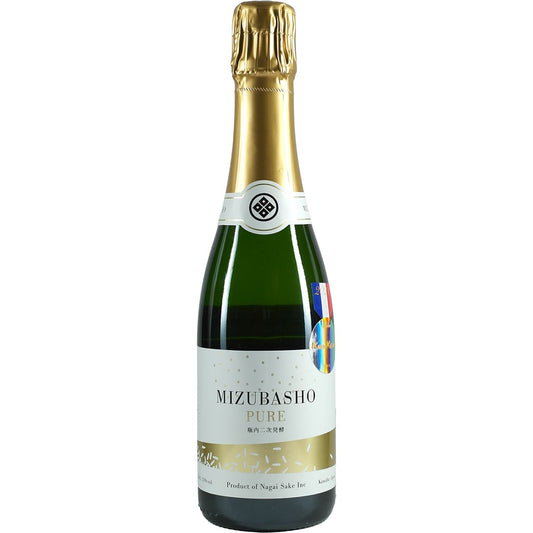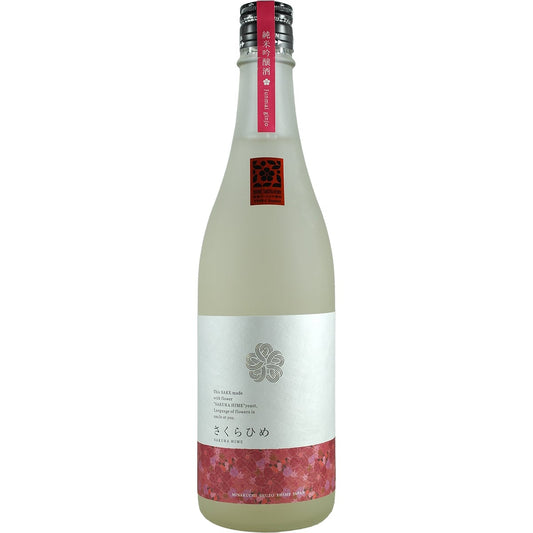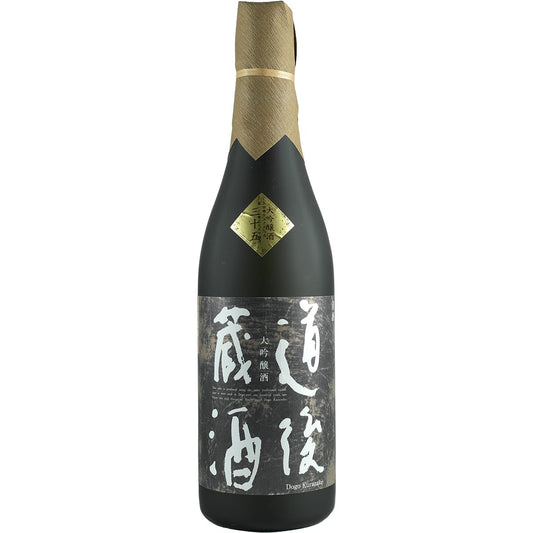

Sake types explained: The difference between Junmai, Ginjo & Daiginjo
Not all sake is created equal. Anyone who's ever stood in front of a sake shelf knows the confusion: Junmai? Daiginjo? Honjozo? The labels often seem like a secret code. Many beginners instinctively reach for "Junmai" because they think "pure rice" is automatically better. But that's a misconception.
To truly understand sake, we only need to know two variables: How highly was the rice polished? And: Was brewer's alcohol added?
Here is the definitive guide through the jungle of sake classifications (Tokutei Meishoshu).
The foundation: The pyramid of quality
Before we go into the details, we need to separate the wheat from the chaff. In Japan, a distinction is made between two main categories:
- Futsū-shu (table sake): The "normal" sake. It still makes up the majority of production, is often drunk hot, and contains more additives. It is the equivalent of simple table wine.
- Tokutei Meishoshu (Premium Sake): These are the "special designations" we are talking about here. They only make up about 30% of the market, but are the top tier.
Variable 1: The polishing rate (Seimaibuai)
The more rice grain is milled away, the finer, fruitier, and more elegant the sake becomes (because fats and proteins are removed). The percentage on the bottle indicates how much rice remains .
- 70% or less: Honjozo / Junmai
- 60% or less: Ginjo / Junmai Ginjo
- 50% or less: Daiginjo / Junmai Daiginjo
Variable 2: The alcohol question (Junmai vs. Aruten)
This is the biggest misconception in the sake world. Many believe that sake with added alcohol is "diluted" and inferior. This is often true for cheap table sake. But with premium sake (Honjozo, Ginjo, Daiginjo), the addition of alcohol (Jozo alcohol) is a highly precise technique .
Why does the brewer do that?
- Aroma boost: Many flavor compounds (especially the fruity Ginjo notes) are alcohol-soluble but not water-soluble. A shot of high-proof alcohol at the end of fermentation extracts these aromas from the mash.
- Texture: The sake becomes lighter, drier, and has a cleaner finish ("kire").
- Shelf life: It stabilizes the sake.
The 4 main groups at a glance
1. Junmai (Pure Rice)
Only rice, water, koji, and yeast are allowed here. Not a drop of alcohol has been added.
The taste: Full-bodied, strong umami, often with a slight acidity. It has a distinct rice flavor. Great with hearty food and served warm.
2. Honjozo (The Underestimated One)
Rice polished to at least 70%, refined with a tiny amount of brewer's alcohol.
The taste: Lighter, drier, and more "drinkable" than Junmai. Honjozo is the perfect "session sake" for a long evening at an izakaya. It's not filling and pairs brilliantly with sashimi.
3. Ginjo & Junmai Ginjo (The Aromatics)
Rice polished to at least 60%. Here, cold and slow fermentation is often used.
The taste: Fruity, floral, light. "Junmai Ginjo" has a bit more body, while "Ginjo" (with alcohol) is often somewhat perfumed and lighter.
4. Daiginjo & Junmai Daiginjo (The Premier Class)
Rice polished to at least 50% (often even 35% or less!). Supreme craftsmanship.
The taste: Explosively aromatic, elegant, complex. Interestingly, Daiginjos (with alcohol) often win competitions, not Junmai Daiginjos, because they can present the aromas even more precisely.
Conclusion: Which is "better"?
Is a Junmai Daiginjo better than a Honjozo? Not necessarily. It's like comparing a fine filet steak to a perfect burger. Both are world-class, but for different occasions.
- Do you want to meditate and explore aromas? → Daiginjo .
- Do you want to eat a steak? → Junmai .
- Do you want a convivial evening with lots of sushi? → Honjozo .
Don't be fooled by the polishing ratio. Trust your palate!