
-
 Sold out
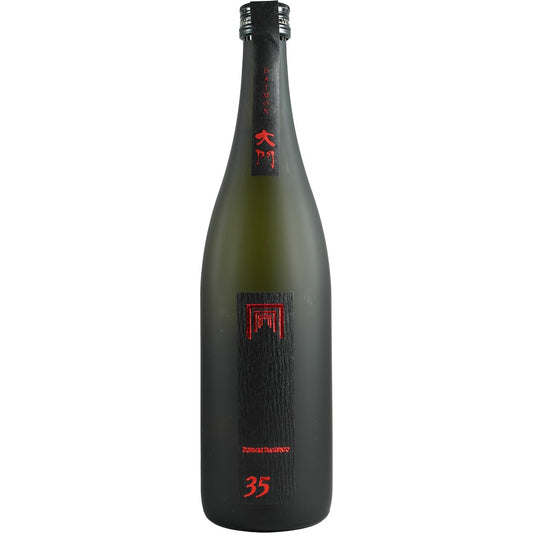
Daimon 35 Junmai Daiginjo
Regular price 49,00 €Regular priceUnit price per Unit price 68,06 € per L -
Asahi Shuzo Dassai 39 Junmai Daiginjo 1800ml
Regular price 70,50 €Regular priceUnit price per Unit price 39,17 € per L -
Asahi Shuzo Dassai 39 Junmai Daiginjo 720ml
Regular price 35,50 €Regular priceUnit price per Unit price 49,31 € per L -
Asahi Shuzo Dassai 45 Junmai Daiginjo 1800ml
Regular price 67,00 €Regular priceUnit price per Unit price 37,22 € per L -
Asahi Shuzo Dassai 45 Junmai Daiginjo 720ml
Regular price 34,50 €Regular priceUnit price per Unit price 47,92 € per L -
Asahi Shuzo Dassai 23 Junmai Daiginjo 720ml
Regular price 72,50 €Regular priceUnit price per Unit price 100,69 € per L -
 Sold out
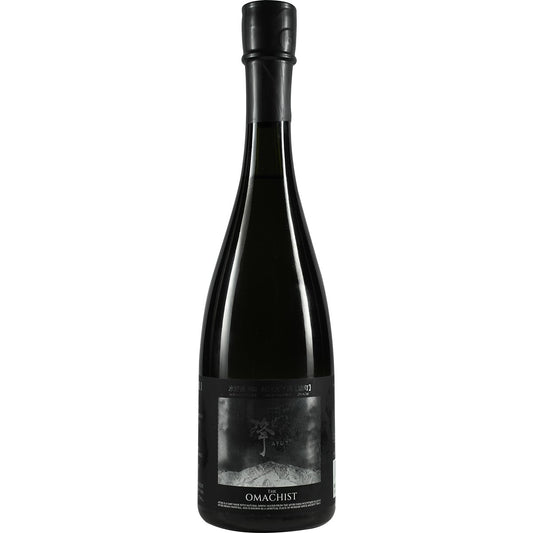
Afuri "Omachist"
Regular price 29,50 €Regular priceUnit price per Unit price 40,97 € per L


Junmai Daiginjo
Junmai Daiginjo: Polishing as a Craft Framework
Junmai Daiginjo combines two manufacturing specifications. "Daiginjo" refers to sake made from rice of which at most 50% of the original grain remains after polishing. At least half of the outer rice layers are therefore removed. In this context, "Junmai" means that no brewer's alcohol is added. These features describe the craft framework of a category—how an individual sake smells, acts, and fades remains nonetheless shaped by its specific production.
Fine aromatics, but no rigid stylistic image
Daiginjo is often associated with fine, fruity, floral, and clear aromas. Highly polished rice can favor a lighter body and a more pronounced fragrance. However, this does not result in a fixed flavor profile. In addition to delicate, straightforward expressions, there are contemporary Daiginjo styles in which sweetness, acidity, and a denser taste emerge clearly. The designation thus creates a precise foundation for production while deliberately leaving room for sensory interpretation. The category thus encompasses restrained as well as aromatically distinct interpretations within clearly defined production rules.
Three examples of this range
- Daimon 45 Junmai Daiginjo has a polish rate of 45%. It is the driest sake from the Daimon brewery and thus represents a clearly dry-oriented interpretation.
- Obata Manotsuru MIKU is made from a special rice grown exclusively on Sado. Its slightly sweet and mineral note sets a different accent.
- Tōji no Yorokobi is made from Yamada Nishiki polished to below 50%, as well as hard, mineral-rich water from Mount Afuri. White peach, ripe melon, and white flowers characterize the aromatics; on the palate, it appears silky and clear, with a dry finish and fine minerality.
Considering enjoyment and food in context
Fruity-floral Ginjo and Daiginjo styles often appear particularly clear when served chilled. Their fine fragrances and often lighter-seeming body can pair harmoniously with lighter dishes. This classification follows the respective style: A lean, dry Junmai Daiginjo sets different priorities than a sweeter, more acidic, or flavor-dense expression.
For food pairing, it is therefore the actual contours of the sake that count: fruit and floral notes, sweetness and acidity, body, dryness, and mineral impressions. The three examples show how wide the spectrum reaches within the same production framework—from emphatically dry to slightly sweet-mineral to silky fruit, clarity, and a dry aftertaste.