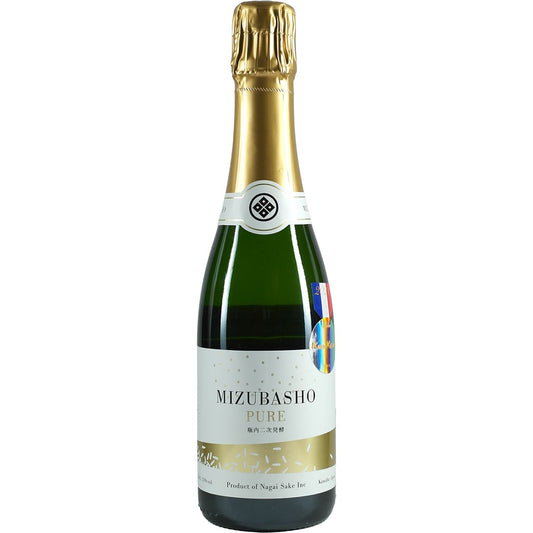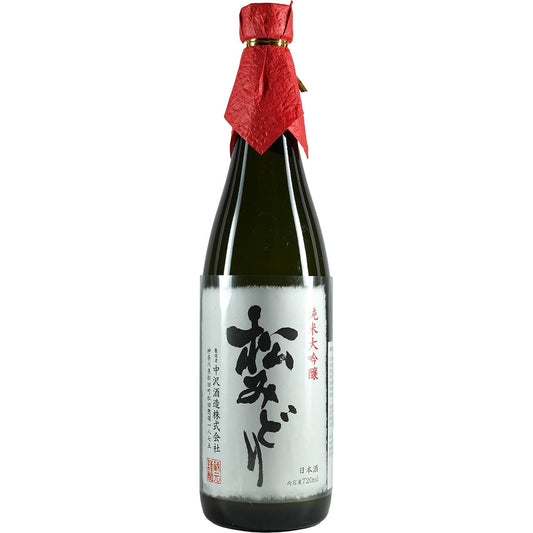

What is sake? Japan's national drink explained simply.
Table of contents
- Sake is neither wine nor beer
- The story: From "glorious water" to national drink
- The classification: Understanding Junmai, Ginjo & Co.
- What does sake actually taste like?
- Frequently Asked Questions (FAQ)
🥡 Key Takeaways – The Most Important Things in Brief
- Not spirits: Sake has an alcohol content of approximately 15–16% vol., similar to a strong red wine.
- The ingredients: Good sake consists of only four ingredients: rice, water, koji (noble mold) and yeast.
- The polishing is key: the more of the rice grain is ground away (polished), the finer and fruitier the sake is (keyword: Ginjo & Daiginjo).
- Warm or cold? Premium sake is usually drunk slightly chilled, but some varieties develop their full umami flavor when warm.
When people in Germany hear "sake," many still think of the hot, slightly alcoholic liquor that used to be served at Chinese restaurants after meals. But that's a misconception that does a disservice to Japan's national drink.
Authentic premium Japanese sake is as complex as French wine and as artisanally brewed as the finest craft beer. In this guide, we answer the question "What exactly is sake?" and help you find the right bottle to suit your taste.
Sake is neither wine nor beer
Sake is often referred to as "rice wine." While this is a helpful mnemonic for its alcohol content and use with food, it is technically incorrect.
- Wine is produced by the fermentation of sugar that is already present in the fruit (grape).
- Beer is produced by first converting starch in grain into sugar and then fermenting it (in two steps).
- Sake uses a unique process: The conversion of starch to sugar (by the koji fungus) and of sugar to alcohol (by yeast) happens simultaneously in the same tank.
This process is called "multiple parallel fermentation." It is one of the most complex brewing methods in the world and is responsible for sake's incredible depth of flavor.
The story: From "glorious water" to national drink
The roots of sake reach back to the 8th century. Historians suspect that the word "sake" comes from the term "sakae mizu," which means "glorious water"—an allusion to the invigorating effect and importance of pure spring water in brewing.
In Japan itself, the drink is often not called "Sake" (because the word simply means "alcohol"), but "Nihonshu" (日本酒) – literally: "Japanese alcohol".
Did you know? Until Japan opened up to the world in the 19th century, sake was the only alcoholic beverage consumed in Japan. It is deeply rooted in the culture and the Shinto religion.
The classification: Understanding Junmai, Ginjo & Co.
When browsing our shop, you will come across terms like Junmai or Daiginjo . These terms tell you what the sake tastes like and how elaborate its production process is.
The secret lies in the polishing rate (Seimaibuai) .
The rice grain is polished before brewing. The more of the outer layer (which contains fats and proteins) is removed, the finer, more floral, and fruitier the kernel becomes.
Here is an overview to help you with your purchase:
| category | Polishing rate (remaining rice) | Flavor profile | Perfect for... |
|---|---|---|---|
| Junmai | Often around 70% | Strong, full-bodied, lots of umami, rice notes. | Hearty food can often also be drunk warm. |
| Honjozo | Min. 70% | Light, crisp, "crisp". Few inherent flavors. | The perfect accompaniment to sushi and sashimi. |
| Ginjo/Junmai Ginjo | Min. 60% | Fruity, floral, aromatic. | Beginners and wine lovers. |
| Daiginjo / Junmai Daiginjo | Min. 50% | Very elegant, complex, often expensive and refined. | Special occasions or as an aperitif. |
- Junmai means "pure rice". No brewing alcohol has been added.
- If the word "Junmai" is not in the name (e.g., only "Ginjo" or "Honjozo"), a tiny amount of brewer's alcohol has been added to release flavors and make the taste lighter.
👉 Discover our collections:
What does sake actually taste like?
Forget the harsh taste of cheap spirits. Good sake is smooth and has hardly any acidity (unlike wine).
The range of flavors extends from:
- Fruity & Floral: Notes of melon, pear, apple or banana (typical for Ginjo ).
- Rich & Umami: Notes of mushrooms, grains, nuts or caramel (typical of Junmai ).
Sake also has five times more amino acids than wine. This results in a high umami content – that savory, delicious flavor that complements food without overpowering it.
Frequently Asked Questions (FAQ)
How much alcohol does sake contain?
Sake typically has an alcohol content of 15% to 16%. However, there are also undiluted sakes (genshu) that can reach up to 20%, or light sparkling sakes with only 5-8%.
How long does sake keep?
Sake is not meant to be stored in a cellar for decades.
- Unopened: Store in a cool, dark place. Best consumed within 1 year of the shipping date.
- Once opened: Store in the refrigerator and consume within 1–2 weeks. It won't "go bad" like wine (it oxidizes more slowly), but it will lose aroma.
Do I have to drink sake warm?
Not necessarily! The rule of thumb is:
- High quality (Ginjo/Daiginjo): Drink slightly chilled (like white wine) to taste the delicate fruit aromas.
- Rustic quality (Junmai/Honjozo): Can be delicious when gently heated (approx. 40–45°C).