
Sake Selection Guide: How to find the perfect Japanese sake
The world of Japanese sake is vast – and often overwhelming for beginners. Imagine standing in front of the shelf (or the screen) wondering: "Which one do I like?"
Don't worry. You don't need to be a sommelier to make the right choice. Forget about complicated kanji characters for a moment. Focus instead on what you like. With these four pro tips, you're guaranteed to find your new favorite sake.
1. The SMV check: How dry can it be?
On our product pages you will often find the SMV (Sake Meter Value) or, in Japanese, Nihonshu-do . This is your compass for sweetness and dryness.
- Positive indicators (+): The sake is dry (Karakuchi). The higher the number (e.g., +10), the crisper and "cleaner" the finish. Perfect for fans of dry Riesling or Pinot Grigio.
- Negative values (-): The sake is off-dry to sweet (Amakuchi). Values like -10 or -20 indicate significant residual sweetness. Great as a dessert wine substitute or with spicy food.
- Around ±0: Balanced and neutral.
Pro tip: Pay attention to the acidity (san-do). High acidity can make a sweet sake taste drier!
2. Which "type" are you? (The 3 profiles)
Instead of focusing solely on "complexity," experts often categorize sake into flavor profiles. Which one suits you?
Type A: The Aromatic (“Like white wine”)
Do you love fruity aromas of melon, apple, or blossoms? Do you enjoy drinking Sauvignon Blanc?
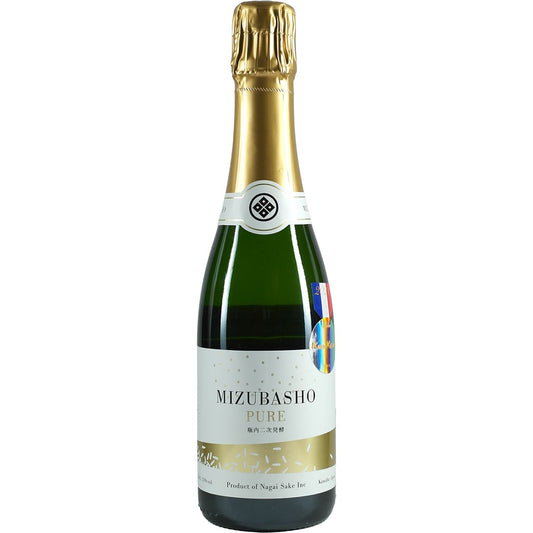
- Your choice: Go for Junmai Ginjo or Junmai Daiginjo .
- Characteristic: Often served chilled in a wine glass. Elegant and perfumed.
Type B: The Refreshing One ("Like Lager Beer")
Do you like it clear, clean and uncomplicated? Do you want a sake that you can drink all evening ("Easy Drinking")?
- Your choice: A dry Honjozo or a sake from Niigata (Tanrei Karakuchi style).
- Feature: Goes well with almost any food, is not filling, and refreshing.
Type C: The full-bodied one ("Like red wine")
Are you looking for "oomph", depth and umami? Do you like earthy notes, grains or mushrooms?
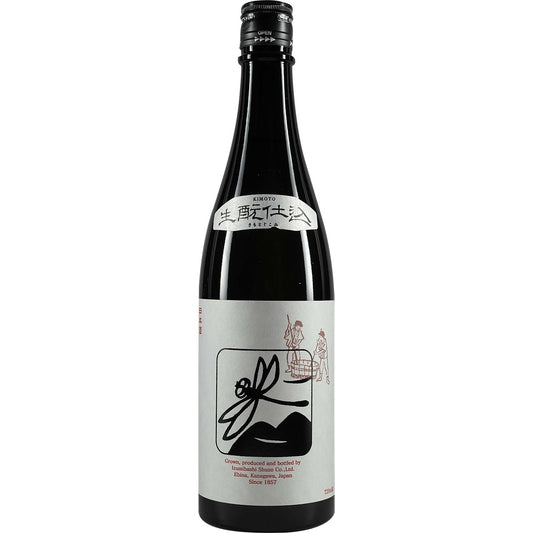
- Your choice: A powerful Junmai , Kimoto or Yamahai .
- Characteristic: Has a lot of body and acidity. Perfect with steak, cheese, or stews.
3. The temperature question
A myth persists: "Good sake must be cold." Wrong! Temperature is a tool.
- Cold (5-10°C): Emphasizes fruit and freshness. Ideal for Ginjo/Daiginjo.
- Room temperature (approx. 20°C): The most honest taste. Ideal for checking the quality.
- Warm (40-45°C): Emphasizes sweetness and umami, softens alcohol. Ideal for Junmai and Kimoto in winter.
On each of our product pages you will find a recommendation for the ideal drinking temperature.
4. What do you eat with it?
Sometimes food is the best guide.
- Sushi & Sashimi: Need a subtle accompaniment (Type B, e.g. Honjozo) that doesn't overpower the fish.
- Spicy & fatty foods: Need acidity and body (Type C, e.g. Yamahai) to counteract them.
- Solo / Aperitif: May be shiny and fragrant (Type A, e.g. Daiginjo).
We hope this guide helps you navigate the jungle of labels. And remember: the best sake is the one you enjoy. Kanpai!