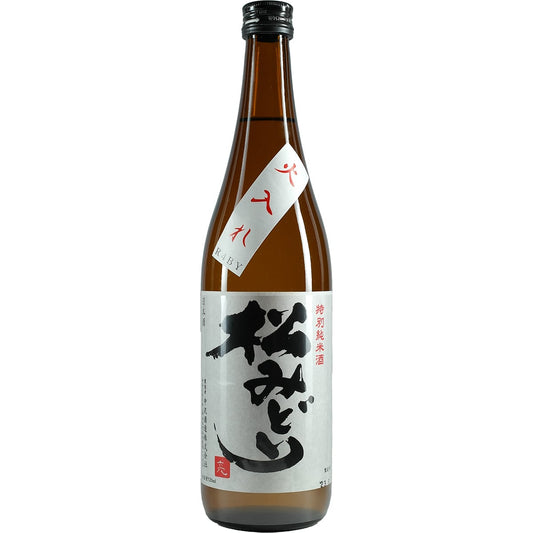

The World of Sake: History, Meaning & Etymology
It's an exciting time for sake lovers. While the sheer number of breweries in Japan has been declining for decades, premium sake (Tokutei Meishoshu) is experiencing a global renaissance. The remaining breweries are radically focusing on quality over quantity – moving away from cheap mass-produced products and towards handcrafted masterpieces.
But before we indulge in the enjoyment, it's worth taking a look back. Where does the term "sake" actually come from? And why is it better to order "Nihonshu" in Japan?
The roots: A word from the 8th century
The first written records of the production of an alcoholic beverage from rice in Japan date back to the 8th century . The character used (kanji) was then, as it is today:酒.
The interpretation of this symbol is context-dependent:
- When it stands alone, it is read as "Sake" .
- When it appears at the end of a compound word, it often becomes "-zake" (e.g., Amazake - sweet sake) or "-shu" (e.g., Seishu - clear sake).
Three theories about the origin of the word
Linguists and historians still debate the etymological origin of the spoken word "sake." Three fascinating theories exist, all reflecting the high regard for the beverage:
- The concept of flourishing (sakaeru): Many believe it derives from the verb "sakaeru," which means "to blossom, grow, or flourish." Sake is seen as a means to bring prosperity and happiness.
- The magnificent water (Sakae Mizu): A very poetic theory suggests that sake was originally called "Sakae Mizu" —"glorious" or "magnificent water." Over the centuries, this was shortened to "sake."
- The Food of the Gods: A third theory relates to religion. "Sa" could stand for the rice goddess Sanaburi , and "Ke" is an ancient term for food. Sake would therefore be the "food of the rice goddess"—a reference to its spiritual roots in Shintoism.
An outsider's perspective: "Saqe"
The West came into contact with Japan's national drink relatively late. The first documented mention in a European language dates back to the end of the 16th century, by Portuguese missionaries and traders. The term "Saqe" appears in the famous Japanese-Portuguese dictionary of 1603 (Nippo Jisho).
Later the Dutch called it "Sacki", before the English spelling "Sake" (or "Saké" for emphasis) became established.
Sake, Nihonshu or Seishu? A short phrasebook
If you simply order "sake" in a Japanese bar, the waiter might ask: "Which one?" Because in Japanese, the word sake often simply means "alcohol" in general – which can also be beer, whisky or wine.
- Nihonshu (日本酒): This is the precise term for what we mean. It is composed of Nihon (Japan) and shu (alcohol). It refers to traditional rice wine and distinguishes it from Yoshu (Western alcohol).
- Seishu (清酒): You will often find this term on the labels. It is the official, legal term and literally means "clear/filtered alcohol". It guarantees that the solid rice particles have been filtered out after fermentation.
So, not all sake is created equal. Behind this simple word lies a thousand-year-old history, a tale of gods, rice farmers, and artisans. Next time you raise a glass, you'll be drinking a piece of that history.