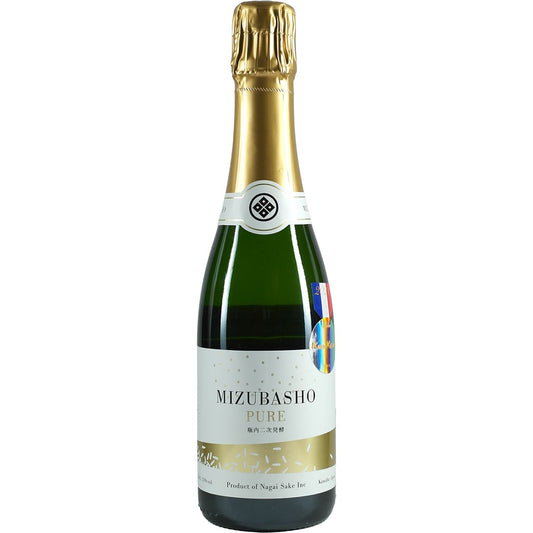

Sparkling Sake: The Japanese answer to Champagne (Awa Sake)
Key Takeaways:
- Not an alcopop: Premium Sparkling Sake ("Awa Sake") is produced using the same strict methods as Champagne (bottle fermentation).
- The taste: Finer, less acidic and often more digestible than sparkling wine, with complex brioche and fruit notes.
- Food Pairing: The insider tip for spicy food, sushi or as an elegant aperitif.
When it's time to pop the corks, the world reaches for Champagne, Cava, or Prosecco. But in recent years, a new player has crept onto the stage of luxury drinks, captivating sommeliers from Paris to New York: Awa Sake (Japanese for "foam sake").
For a long time, sparkling sake was a cheap, sweet niche product with artificially added carbonation. That has changed radically. A group of visionary breweries founded the "Awa Sake Association" to produce world-class sparkling wine.
How do the bubbles get into the sake?
Similar to wine, there are three methods for adding carbon dioxide to a bottle. These methods significantly influence quality, effervescence (bubbles), and price.
1. The Champagne Method (bottle fermentation)
This is the highest level of production and a prerequisite for certified "Awa Sake". The finished sake is bottled with a little yeast and sugar (or rice mash) and sealed. The yeast initiates a second fermentation in the bottle, producing carbon dioxide that cannot escape.
- The process: After fermentation, the yeast must be removed (disgorgement). This is extremely difficult with sake, as the sediment is often finer than in wine. Many breweries have taken years to master this technique.
- The result: an extremely fine, creamy, and long-lasting effervescence. The sake develops complex secondary aromas of toast, brioche, or nuts, but retains its rice-like character.
2. Tank fermentation (Charmat method)
The second fermentation doesn't take place in each individual bottle, but in a large, pressure-resistant tank. Afterwards, the sake is bottled under pressure. This method is similar to that used for Prosecco. It preserves the sake's fruity primary aromas very well and is ideal for fresher, lighter styles.
3. The injection method
Here, carbonation is artificially added. This is usually found in inexpensive "sparkling jelly sakes" or canned products in the supermarket. Okay for a quick treat, but no comparison to the elegance of real Awa sake.
Why sparkling sake is often a better choice than sparkling wine
Sparkling sake has some crucial advantages over its French cousin:
- Less acidity: Champagne often has an aggressive acidity that can upset some people's stomachs. Sake is based on lactic and succinic acids, which makes it much softer and creamier.
- Lower alcohol content: With a typical alcohol content of 11-13% ABV, it is lighter than many wines – you can drink one more glass without feeling heavy.
- Umami: The savory note is a perfect match for food where sparkling wine fails (e.g., egg dishes, soups, or artichokes).
The perfect moment of enjoyment
When should you open a bottle?
- As an aperitif: The carbonation stimulates the appetite, the residual sweetness prepares the palate. Serve it ice-cold (5-8°C) in a flute glass or a white wine glass.
- For spicy food: This is the insider tip. Combine a sparkling sake with Thai curry, Szechuan cuisine, or spicy tacos. The bubbles and subtle sweetness temper the heat of the chili and harmonize perfectly with the spices.
- For dessert: A sparkling sake with fruity notes (e.g. strawberry, peach) goes wonderfully with not-too-sweet desserts such as sorbet or fruit salad.
Conclusion
Awa Sake is more than a trend. It's a testament to the innovative spirit of Japanese brewers. Next time you have something to celebrate, surprise your guests with Japanese elegance instead of the standard French fare.