
The Izakaya Guide: How to order, drink and pay like a local
Key Takeaways:
- The Izakaya is the heart of Japanese food culture – a mix of Spanish tapas bar and British pub.
- There are fixed rituals: From "Oshibori" (cloth) to the "obligatory appetizer" (Otoshi).
- The most important thing: "Sharing is Caring". You order for the table, not for yourself.
If you truly want to understand Japan, don't visit a temple. Go to an izakaya . The word is a combination of "i" (to sit) and "sakaya" (sake shop). Originally, these were places where you bought sake and drank it right there. Today, the izakaya is the living room of Japanese society.
But for Western visitors, there are many potential pitfalls. How do you order? What's this strange appetizer I didn't order? And how do you pay? With this ultimate guide, you'll navigate your next trip to Japan (or an authentic restaurant back home) like a pro.
1. The Arrival: Oshibori and Otoshi
Once you are seated, two things happen that often confuse beginners:
The Oshibori (The damp cloth)
The waiter hands you a rolled-up, damp cloth (steaming hot in winter, ice cold in summer).
Do: Use it to clean your hands. Then fold it neatly and place it on the table.
Don't: Do not use it to wipe your face or neck (even if you see older Japanese "salarymen" doing so – it is considered impolite).
The Otoshi (The Obligatory Appetizer)
The waiter places a small bowl in front of you. A potato salad? A piece of braised fish? Pickled vegetables? You didn't order that? Correct.
This is the otoshi (also called tsukidashi in Osaka). It's Japan's elegant version of the "table charge" (cover charge). It usually costs between 300 and 500 yen (approximately 2-4 euros).
The idea: In Japan, it's unthinkable for a guest to sit in front of an empty table and have to wait. The otoshi bridges the time until the first drink. Accept it gratefully – it's often a small culinary highlight of the kitchen.
2. The first drink: "Toriaezu Nama!"
Even though you're in a sake paradise, traditionally an izakaya evening almost always begins with a beer. The saying "Toriaezu Nama" ("First, a draft beer") is as firmly established as the amen in church.
Why? Because everyone wants to toast at the same time ("Kanpai!"). Beer is poured faster than a complex cocktail is mixed. Once the initial thirst is quenched, one switches to sake.
3. The dining strategy: The "shared dining" principle
The biggest mistake tourists make: "I'll have the schnitzel with fries." In an izakaya, there are no "main courses" for one person. All dishes are placed in the center and shared.
The ideal dramaturgy of an evening:
- Speed Menu: Order items that arrive immediately. Edamame (soybeans), Hiyayakko (cold tofu), or Morokyu (cucumber with miso).
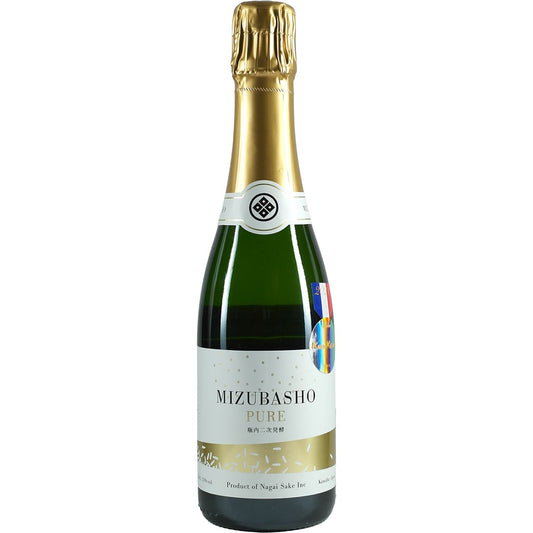
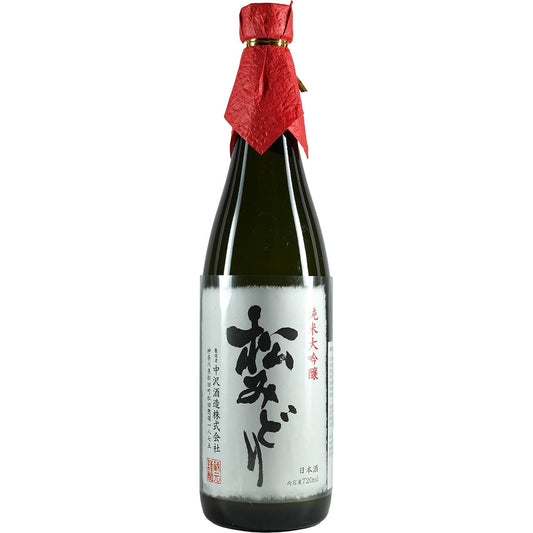
- Sashimi & Raw Food: Eat raw fish while your palate is still fresh. This is the perfect moment to switch to sake . A dry Honjozo or a fine Ginjo pairs perfectly.
- Agemono & Yakimono (Fried & Grilled): Now things get hearty. Karaage (fried chicken), Yakitori (chicken skewers), or Gyoza. A robust Junmai or a "Highball" (whiskey/shochu with soda) goes well with this.
- Shime (The Finale): The Japanese end the evening with carbohydrates ("shime") to settle the stomach. This might be a grilled rice ball (yaki-onigiri) or a bowl of ramen soup.
4. Sake etiquette at the table
When you order sake, it often comes in a carafe (tokkuri). The golden rule here is: never pour it yourself (tejaku).
In Japan, pouring sake is an act of care. Observe your neighbors' glasses. If one is empty, reach for the bottle and refill it. Hold the bottle with both hands (a sign of respect). Your neighbor will then—almost reflexively—fill your glass. Slightly lift your glass (ochoko) to "receive" the sake. This mutual care is called oshaku . It strengthens bonds and ensures that no one gets drunk too quickly (or everyone at the same time).
5. The bill: No tip!
At the end, go to the cashier at the exit (payment is rarely taken at the table). The most important rule for Western guests: Do not tip.
In Japan, excellent service is considered a given, and people are proudly paid for it. Tipping can even be seen as an insult ("Do you think my boss doesn't pay me well enough?"). A simple "Gochisosama deshita" (Thank you for the delicious meal) as you leave is the best way to express your gratitude.